Vitamin D, often called the “sunshine vitamin,” plays a crucial role in maintaining overall health. Despite its importance, vitamin D deficiency affects an estimated 1 billion people worldwide, making it one of the most common nutritional deficiencies. Understanding the symptoms can help you identify a potential deficiency early and take corrective action.
Understanding Vitamin D’s Role in the Body
Before diving into deficiency symptoms, it’s important to understand why vitamin D matters. This fat-soluble vitamin functions more like a hormone than a traditional vitamin, influencing nearly every cell in your body. It regulates calcium absorption for strong bones, supports immune function, influences mood regulation, and plays a role in muscle function and cardiovascular health.
Your body produces vitamin D when your skin is exposed to sunlight, specifically UVB rays. However, factors like geographic location, season, time spent indoors, skin pigmentation, sunscreen use, and age can all affect your ability to synthesize adequate amounts.
Common Symptoms of Vitamin D Deficiency
Fatigue and Low Energy
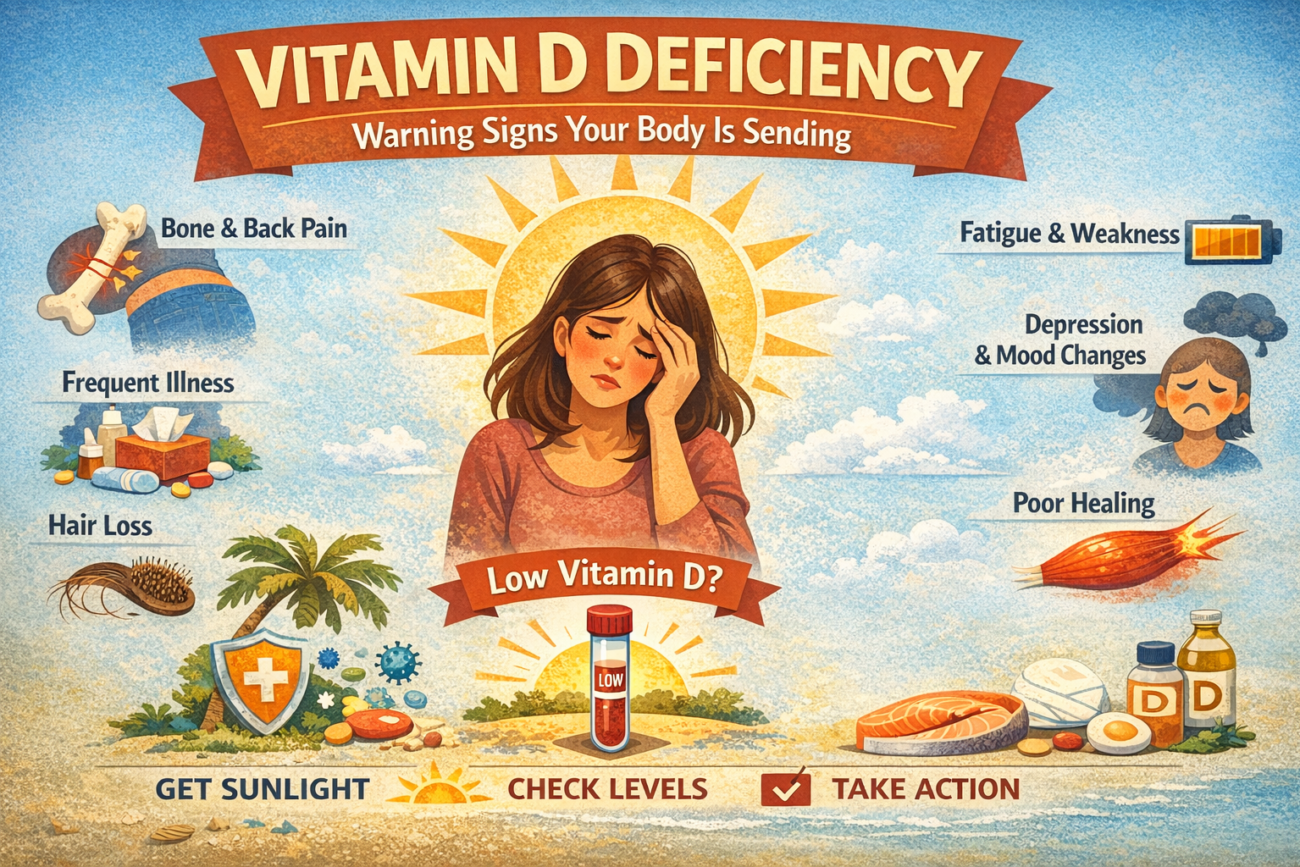
One of the most frequently reported yet often overlooked symptoms is persistent tiredness. If you’re getting adequate sleep but still feel exhausted throughout the day, low vitamin D levels could be a contributing factor. Research has shown a strong correlation between deficiency and chronic fatigue, with several studies demonstrating that supplementation can significantly improve energy levels in deficient individuals.
Frequent Illness and Infections
Vitamin D plays a critical role in keeping your immune system strong. If you find yourself catching every cold or flu that goes around, or if minor infections seem to linger longer than they should, deficiency might be weakening your immune defenses. Studies have linked low vitamin D levels to increased susceptibility to respiratory infections, including pneumonia and bronchitis.
Bone and Back Pain
Since vitamin D is essential for calcium absorption and bone health, deficiency often manifests as bone pain or lower back pain. This can range from a dull ache to severe discomfort that interferes with daily activities. Chronic widespread pain and tenderness may also indicate deficiency, as vitamin D receptors are present in cells responsible for sensing pain.
Depression and Mood Changes
The connection between vitamin D and mental health is increasingly recognized by researchers. Low levels have been associated with depression, particularly seasonal affective disorder (SAD) that occurs during winter months when sunlight exposure is limited. Vitamin D receptors are found in areas of the brain involved in mood regulation, and the vitamin appears to play a role in serotonin production.
Impaired Wound Healing
If you notice that cuts, scrapes, or surgical wounds are taking longer than normal to heal, vitamin D deficiency could be interfering with the healing process. The vitamin is involved in producing compounds crucial for forming new skin as part of wound repair, and it also helps control inflammation and fight infection at wound sites.
Bone Loss and Osteoporosis
Older adults, particularly postmenopausal women, may attribute bone loss solely to aging or calcium deficiency. However, vitamin D is equally critical for bone health. Low bone mineral density can develop silently over years, increasing fracture risk. If bone density scans show concerning results, checking vitamin D levels should be part of the evaluation.
Hair Loss
While hair loss has many causes, severe vitamin D deficiency can contribute to hair thinning or loss. The vitamin plays a role in stimulating hair follicles, and deficiency has been linked to alopecia areata, an autoimmune condition that causes patchy hair loss.
Muscle Pain and Weakness
Unexplained muscle pain, weakness, or cramping can indicate deficiency. Vitamin D receptors are present in muscle tissue, and adequate levels are necessary for optimal muscle function. This symptom is particularly common in older adults and can contribute to increased fall risk.
Who Is at Higher Risk?
Certain populations are more susceptible to vitamin D deficiency. People with darker skin pigmentation require more sun exposure to produce the same amount of vitamin D as those with lighter skin. Older adults have reduced capacity to synthesize vitamin D from sunlight and may spend more time indoors. Those who are overweight or obese may experience reduced bioavailability of vitamin D, as it gets sequestered in fat tissue.
Geographic location matters significantly. People living in northern latitudes or areas with significant air pollution may not get adequate UVB exposure year-round. Those with limited sun exposure due to working indoors, cultural practices requiring covering skin, or homebound status are also at increased risk.
Certain medical conditions can interfere with vitamin D absorption or metabolism, including Crohn’s disease, celiac disease, kidney disease, and liver disease. Additionally, some medications can affect vitamin D levels, including certain cholesterol-lowering drugs, steroids, and weight-loss medications.
When to See a Doctor
If you’re experiencing several of these symptoms, especially if you fall into a high-risk category, it’s worth discussing vitamin D testing with your healthcare provider. A simple blood test measuring 25-hydroxyvitamin D can determine your status. Levels below 20 ng/mL are generally considered deficient, while 20-30 ng/mL may be insufficient, and above 30 ng/mL is typically considered adequate, though optimal ranges may vary based on individual factors.
Addressing Deficiency
If testing reveals deficiency, your doctor may recommend supplementation. Vitamin D3 (cholecalciferol) is generally more effective at raising blood levels than vitamin D2 (ergocalciferol). Dosage varies based on severity of deficiency, body weight, and other factors, typically ranging from 1,000 to 4,000 IU daily for maintenance, with higher doses sometimes prescribed initially for severe deficiency.
Dietary sources can help maintain levels, though it’s difficult to get enough vitamin D from food alone. Fatty fish like salmon, mackerel, and sardines are among the best sources, along with cod liver oil, egg yolks, fortified dairy products and plant milks, fortified cereals and orange juice, and beef liver.
Sensible sun exposure remains an important source. Aim for 10-30 minutes of midday sun exposure several times per week, exposing arms, legs, or back without sunscreen. The exact time needed varies based on skin tone, location, and season. Those with darker skin may need longer exposure times.