Your gut is home to trillions of microorganisms, collectively known as the gut microbiome, that play a far more significant role in your health than most people realize. These microscopic inhabitants influence everything from digestion and nutrient absorption to immune function and even mental health. Among the strategies for supporting a healthy gut microbiome, probiotics have emerged as one of the most accessible and well-researched interventions. Understanding how these beneficial bacteria work and their specific benefits can help you decide whether probiotics deserve a place in your wellness routine.
What Are Probiotics?
Probiotics are live microorganisms, primarily bacteria and some yeasts, that provide health benefits when consumed in adequate amounts. Often called “good” or “friendly” bacteria, they help maintain the delicate balance of your gut microbiome by competing with harmful bacteria, supporting the intestinal barrier, and modulating immune responses.
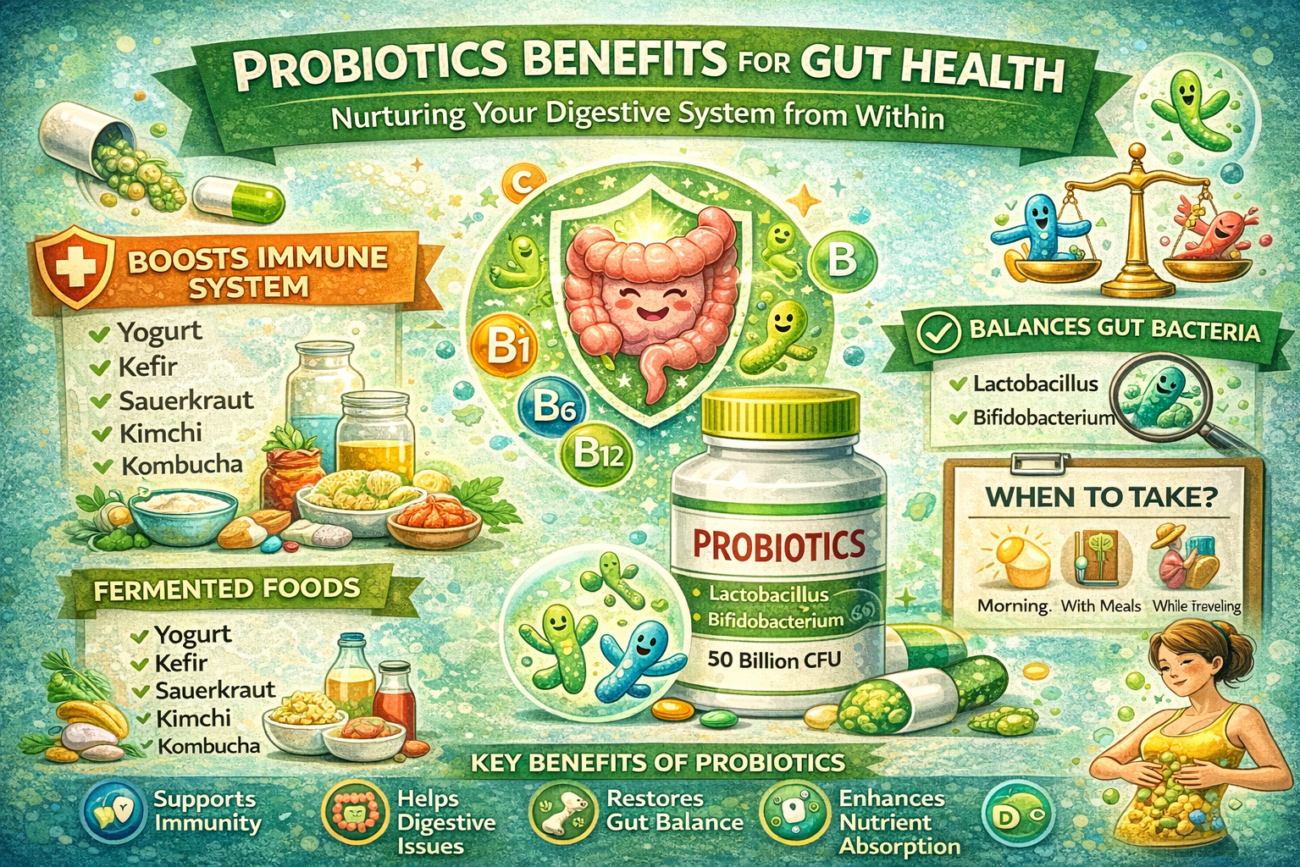
The most common probiotic strains belong to two main groups: Lactobacillus species, which are found in yogurt, fermented foods, and many probiotic supplements, and Bifidobacterium species, which predominate in the colon and are particularly important for digestive health. Other beneficial microorganisms include Saccharomyces boulardii, a beneficial yeast, and various strains of Streptococcus and Bacillus.
Different strains provide different benefits, which is why the effects of probiotics are highly strain-specific. A strain that helps with diarrhea may not be effective for irritable bowel syndrome, and vice versa. This specificity makes it important to choose probiotics based on your particular health goals rather than assuming all probiotics are interchangeable.
Restoring and Maintaining Gut Balance
The gut microbiome exists in a delicate balance between beneficial and potentially harmful bacteria. When this balance is disrupted, a condition called dysbiosis, it can lead to digestive problems, weakened immunity, and various health issues. Factors that disrupt gut balance include antibiotic use, poor diet high in processed foods and sugar, chronic stress, lack of sleep, excessive alcohol consumption, and certain medications.
Probiotics help restore this balance by increasing the population of beneficial bacteria, which then crowd out harmful microorganisms and compete for nutrients and attachment sites on the intestinal wall. They also produce antimicrobial substances that inhibit the growth of pathogenic bacteria, helping to maintain a healthy microbial ecosystem.
Regular probiotic consumption can help maintain this balance even when facing challenges like dietary indiscretions or short-term stress. Think of probiotics as reinforcements for your gut’s beneficial bacterial army, helping to keep the environment stable and inhospitable to harmful invaders.
Improving Digestive Function
One of the most immediate and noticeable benefits of probiotics is improved digestive function. Probiotics help break down food components that your body cannot digest on its own, particularly complex carbohydrates and fiber. This fermentation process produces short-chain fatty acids like butyrate, which serve as fuel for the cells lining your colon and have numerous health benefits.
Many people report reduced bloating, less gas, and more regular bowel movements after starting probiotics. These improvements occur because probiotics help optimize the digestive process, reducing fermentation by harmful bacteria that produces excessive gas and discomfort. They also support the production of digestive enzymes and help maintain proper gut motility, the muscular contractions that move food through your digestive tract.
For people who experience occasional digestive upset from certain foods, probiotics may improve tolerance by helping to break down problematic compounds more efficiently. Some probiotic strains can even help digest lactose, potentially reducing symptoms for people with lactose intolerance.
Alleviating Irritable Bowel Syndrome Symptoms
Irritable bowel syndrome (IBS) affects millions of people worldwide, causing symptoms like abdominal pain, bloating, diarrhea, constipation, or alternating between both. While the exact causes of IBS remain unclear, gut microbiome imbalances appear to play a significant role, making probiotics a logical intervention.
Multiple studies have shown that specific probiotic strains can reduce IBS symptoms significantly. Different strains may be more effective for different IBS subtypes. For example, Bifidobacterium infantis has shown particular promise for overall IBS symptom relief, while certain Lactobacillus strains may be more effective for diarrhea-predominant IBS.
The benefits include reduced abdominal pain and discomfort, decreased bloating and gas, normalized bowel movements, and improved quality of life. The effects are not universal—some people experience dramatic improvements while others notice minimal change—but many gastroenterologists now recommend probiotics as part of a comprehensive IBS management strategy.
It’s important to note that finding the right probiotic strain and dosage for IBS often requires some trial and error, and benefits typically require consistent use over several weeks to months.
Preventing and Treating Diarrhea
Probiotics have strong evidence supporting their use for preventing and treating several types of diarrhea. Antibiotic-associated diarrhea is a common side effect of antibiotic treatment, occurring because antibiotics kill beneficial gut bacteria along with harmful ones. Taking probiotics alongside antibiotics can significantly reduce the risk of developing diarrhea, with some studies showing up to 60% reduction in risk.
Saccharomyces boulardii and certain Lactobacillus strains are particularly effective for this purpose. The key is starting probiotics at the beginning of antibiotic treatment and continuing for at least a week or two after finishing the antibiotics to help restore gut balance.
For infectious diarrhea caused by viruses or bacteria, probiotics can shorten the duration and reduce symptom severity. They work by competing with pathogenic organisms, strengthening the intestinal barrier, and supporting immune responses against the infection. This is particularly valuable for children with acute gastroenteritis, where probiotics have been shown to reduce illness duration by about one day.
Traveler’s diarrhea, a common affliction for people visiting areas with different bacterial populations in food and water, may also be prevented by taking probiotics before and during travel. While not 100% effective, studies suggest probiotics can reduce the risk of traveler’s diarrhea by approximately 15-25%.
Relieving Constipation
Chronic constipation affects a significant portion of the population, causing infrequent bowel movements, hard stools, and discomfort. Probiotics, particularly Bifidobacterium strains, have shown promise in alleviating constipation by increasing stool frequency, improving stool consistency, and reducing straining and discomfort.
The mechanisms involve several factors. Probiotics help increase stool bulk through bacterial biomass and promote water retention in stools, making them softer and easier to pass. They also produce metabolites that stimulate gut motility and support the muscular contractions needed for regular bowel movements.
While not as immediately effective as traditional laxatives, probiotics offer a more natural approach that addresses underlying imbalances rather than just treating symptoms. They work gradually over several weeks, and benefits are often sustained with continued use, unlike some laxatives which can create dependency.
Strengthening the Intestinal Barrier
The intestinal lining serves as a crucial barrier between the contents of your gut and your bloodstream. This barrier needs to be selective, allowing nutrients to pass through while keeping harmful bacteria, toxins, and undigested food particles out. When this barrier becomes compromised, a condition sometimes called “leaky gut” or increased intestinal permeability, it can contribute to inflammation and various health problems.
Probiotics help strengthen this barrier through multiple mechanisms. They stimulate the production of tight junction proteins that seal the gaps between intestinal cells, enhance mucus production that provides an additional protective layer, reduce inflammation that can damage the intestinal lining, and compete with pathogenic bacteria that might compromise barrier integrity.
A healthy intestinal barrier is fundamental to overall health, as it prevents unwanted substances from triggering immune responses and inflammation. By supporting barrier function, probiotics contribute to reducing systemic inflammation and supporting immune health beyond just the digestive system.
Enhancing Nutrient Absorption
The gut microbiome plays an active role in nutrient metabolism and absorption. Probiotics can enhance your ability to extract and utilize nutrients from food in several ways. They produce certain vitamins, particularly B vitamins and vitamin K, contributing to your overall nutritional status. Some people with marginal B vitamin intake may benefit from the additional production by probiotic bacteria.
Probiotics also help break down and process nutrients that would otherwise be poorly absorbed, improving bioavailability. They support the absorption of minerals like calcium, iron, and magnesium by creating an optimal pH environment in the intestines and producing compounds that enhance mineral solubility.
Additionally, by reducing inflammation and supporting intestinal barrier health, probiotics help ensure that the absorptive surface of your intestines functions optimally. Chronic inflammation can impair nutrient absorption, so reducing inflammation indirectly supports better nutritional status.
Supporting Immune Function
Surprisingly to many people, approximately 70-80% of your immune system resides in or near your gut. The gut microbiome plays a crucial role in training and regulating immune responses, making probiotics potentially valuable for immune health.
Probiotics support immunity by stimulating the production of antibodies and immune cells, helping your body respond more effectively to pathogens. They enhance the activity of natural killer cells, macrophages, and other immune cells that defend against infections. Additionally, they help regulate immune responses to prevent overreaction, which is important for reducing chronic inflammation and may benefit people with allergies or autoimmune tendencies.
The gut microbiome essentially educates your immune system, teaching it to distinguish between harmless substances and genuine threats. A balanced microbiome supported by probiotics helps ensure appropriate immune responses—strong enough to fight infections but not so aggressive that they attack the body’s own tissues or react to harmless foods.
Some research suggests that regular probiotic use may reduce the frequency and duration of common respiratory infections like colds and flu, though results vary and more research is needed to confirm optimal strains and dosing.
Reducing Inflammation
Chronic low-grade inflammation is increasingly recognized as a contributor to numerous health conditions, from digestive disorders to cardiovascular disease and metabolic syndrome. The gut microbiome significantly influences systemic inflammation levels, and probiotics offer a way to modulate this inflammatory response.
Probiotics reduce inflammation through several pathways. They decrease the production of pro-inflammatory compounds by harmful bacteria and promote the production of anti-inflammatory molecules including short-chain fatty acids that have powerful anti-inflammatory effects throughout the body. They strengthen the intestinal barrier to prevent inflammatory triggers from entering the bloodstream and help regulate immune cell activity to prevent excessive inflammatory responses.
Studies measuring inflammatory markers like C-reactive protein, interleukin-6, and tumor necrosis factor-alpha have shown that probiotic supplementation can reduce these indicators in various populations. This anti-inflammatory effect may contribute to probiotics’ benefits beyond digestive health, potentially influencing conditions affected by chronic inflammation.
Managing Inflammatory Bowel Disease Symptoms
Inflammatory bowel diseases, including ulcerative colitis and Crohn’s disease, involve chronic inflammation of the digestive tract. While probiotics are not a cure for these conditions, research suggests they may help manage symptoms and potentially reduce the frequency of flare-ups, particularly for ulcerative colitis.
Certain probiotic formulations, particularly the combination product VSL#3 (now called Visbiome), have shown promise in maintaining remission in ulcerative colitis and treating pouchitis, an inflammation that can occur after surgical treatment for ulcerative colitis. The evidence for Crohn’s disease is less robust, but some patients report symptom improvement with probiotic use.
It’s crucial that people with IBD work closely with their gastroenterologist when considering probiotics, as these are serious conditions requiring comprehensive medical management. Probiotics should be viewed as a complementary therapy rather than a replacement for conventional treatment.
Choosing the Right Probiotic
With countless probiotic products on the market, choosing the right one can be overwhelming. Start by identifying your specific health goal, as different strains address different issues. Look for products that clearly list the specific strains included, not just genus names, and check for CFU count (colony forming units), with most effective products containing at least 1-10 billion CFUs per serving.
Verify that the product has been tested for potency and purity by third-party organizations like USP, NSF, or ConsumerLab. Check the expiration date and storage requirements, as probiotics are living organisms that can die if not stored properly. Some require refrigeration while others are shelf-stable.
Consider the delivery method. Capsules with enteric coating protect bacteria from stomach acid, increasing the likelihood they reach your intestines alive. Some people prefer powders that can be mixed into foods or beverages, while others find capsules more convenient.
Food Sources vs. Supplements
Probiotics can be obtained from fermented foods or supplements, each with advantages. Fermented foods like yogurt with live cultures, kefir, sauerkraut, kimchi, kombucha, miso, and traditional buttermilk provide probiotics along with other nutrients and beneficial compounds. They’re generally less expensive than supplements and offer dietary variety.
However, the probiotic content in foods can be variable and difficult to quantify. The specific strains may not be identified, and processing or pasteurization can kill beneficial bacteria. For targeted therapeutic effects, supplements offer standardized doses of specific, researched strains with known benefits for particular conditions.
The ideal approach for many people combines both: incorporating fermented foods into your regular diet for general gut health while using targeted probiotic supplements when addressing specific issues or during times of increased need, such as antibiotic treatment.
When to Take Probiotics and How Long
Timing can affect probiotic effectiveness. Many experts recommend taking probiotics on an empty stomach or with a small amount of food, as this may improve survival through stomach acid. However, some strains are more acid-resistant and can be taken with meals. Follow the specific recommendations for your chosen product.
The duration of probiotic use depends on your goals. For acute issues like antibiotic-associated diarrhea, short-term use for several weeks may be sufficient. For chronic conditions like IBS or maintaining general gut health, longer-term or even indefinite use may be beneficial. Many of the researched benefits require consistent use over weeks to months.
Probiotics are transient colonizers, meaning they don’t permanently establish themselves in your gut. Once you stop taking them, their levels gradually decline. This is why consistent use is important for maintaining benefits, though the improvements they create in your overall microbiome ecosystem may have some lasting effects.
Safety and Side Effects
Probiotics are generally safe for healthy individuals, with most side effects being mild and temporary. Common initial effects include mild gas and bloating as your gut adjusts to the new bacteria, changes in bowel patterns, and occasional digestive discomfort. These typically resolve within a few days to weeks.
However, probiotics may not be appropriate for everyone. People with severely compromised immune systems, those with central venous catheters, individuals with certain heart valve conditions, and people recovering from major surgery should consult their healthcare provider before using probiotics, as there have been rare cases of serious infections in highly vulnerable individuals.
If you’re taking immunosuppressive medications or have serious underlying health conditions, discuss probiotic use with your doctor to ensure it’s safe for your specific situation.
The Bottom Line
Probiotics offer substantial benefits for gut health, from improving digestive function and alleviating conditions like IBS and constipation to strengthening the intestinal barrier and supporting immune function. The evidence supporting their use continues to grow, particularly for specific strains addressing particular conditions.
However, probiotics are not a magic solution. They work best as part of a comprehensive approach to gut health that includes a fiber-rich diet, adequate hydration, stress management, regular physical activity, and limiting factors that harm the microbiome like excessive antibiotic use and highly processed foods.
For many people, incorporating both probiotic-rich fermented foods and targeted probiotic supplements offers the best of both worlds—general support from foods and specific therapeutic benefits from researched strains. Whether you’re dealing with a specific digestive issue or simply want to support your gut health proactively, probiotics represent a safe, evidence-based intervention that can meaningfully improve your digestive wellness and overall health. As always, consult with a healthcare provider to determine the most appropriate probiotic strategy for your individual needs and health status.