Metabolism is one of those health buzzwords that gets thrown around constantly, yet many people don’t fully understand what it means or how to genuinely influence it. Your metabolism encompasses all the chemical processes that keep your body alive and functioning—from breathing and circulating blood to repairing cells and digesting food. While genetics play a significant role in determining your metabolic rate, there are several evidence-based strategies you can use to naturally optimize how efficiently your body burns energy.
Understanding Your Metabolic Rate
Your total daily energy expenditure consists of three main components: basal metabolic rate (the energy needed for basic bodily functions at rest), which accounts for about 60-75% of calories burned; the thermic effect of food (energy used to digest and process nutrients), representing roughly 10%; and physical activity, including both structured exercise and non-exercise activity thermogenesis (NEAT), making up the remaining 15-30%. While you can’t dramatically change your basal metabolic rate, you can influence the other factors.
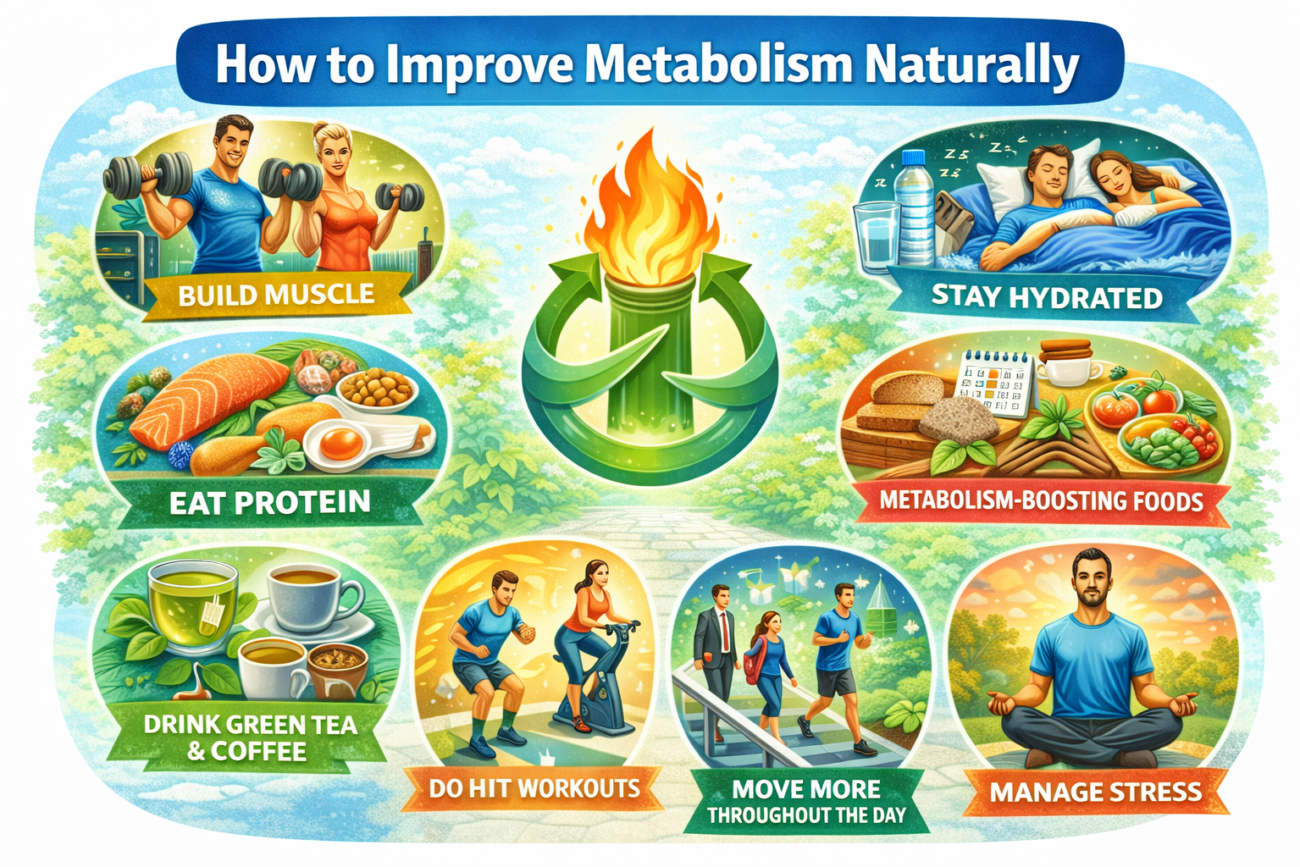
Build and Maintain Muscle Mass
Muscle tissue is metabolically active, meaning it burns calories even when you’re at rest. In contrast, fat tissue requires very little energy to maintain. Resistance training—whether using weights, resistance bands, or bodyweight exercises—helps build lean muscle mass and can increase your resting metabolic rate. While the effect isn’t enormous (muscle burns about 6 calories per pound per day compared to 2 calories for fat), over time this adds up and makes weight maintenance easier as you age. Aim for strength training exercises at least two to three times per week, targeting all major muscle groups.
Don’t Skip Meals or Drastically Cut Calories
It might seem logical that eating less would speed up weight loss, but severely restricting calories can actually backfire by slowing your metabolism. When you drastically reduce food intake, your body interprets this as potential starvation and conserves energy by lowering your metabolic rate—a survival mechanism hardwired into our biology. This adaptive thermogenesis can persist even after you resume normal eating, making weight regain more likely. Instead of extreme calorie restriction, focus on moderate, sustainable calorie deficits if weight loss is your goal.
Eat Enough Protein
Protein has the highest thermic effect of all macronutrients, meaning your body uses more energy to digest and process it compared to carbohydrates or fats. Eating protein can temporarily boost your metabolism by 15-30% compared to 5-10% for carbs and 0-3% for fats. Protein also helps preserve muscle mass during weight loss and increases satiety, helping you feel fuller longer. Include good protein sources like lean meats, fish, eggs, legumes, Greek yogurt, and nuts in each meal. Most people benefit from consuming about 0.8 to 1 gram of protein per pound of body weight, especially if they’re active.
Stay Hydrated
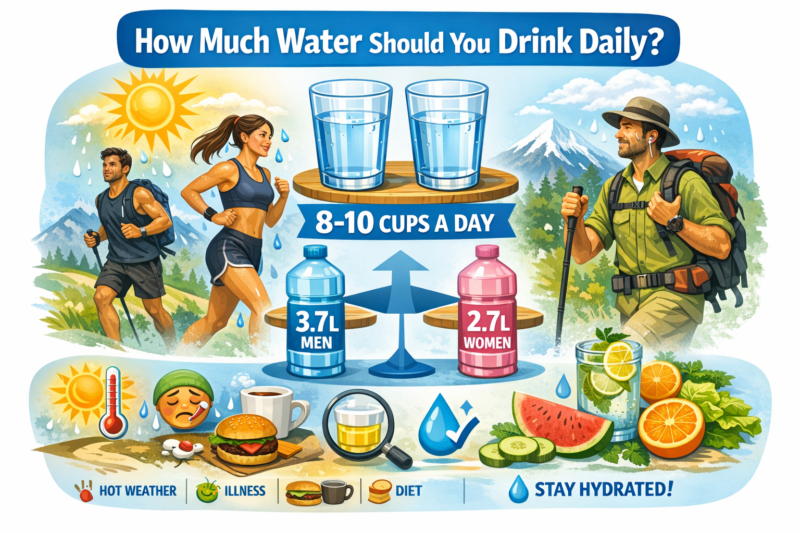
Water is essential for optimal metabolic function. Studies show that drinking water can temporarily boost metabolism by 10-30% for about an hour. This effect, called water-induced thermogenesis, happens because your body expends energy to heat the water to body temperature. Drinking cold water may slightly enhance this effect. Dehydration, even mild, can slow metabolism, so aim for adequate hydration throughout the day. A good rule of thumb is to drink when you’re thirsty and ensure your urine is pale yellow.
Prioritize Quality Sleep
Sleep deprivation wreaks havoc on your metabolism and hormonal balance. When you don’t get enough sleep, levels of ghrelin (the hunger hormone) increase while leptin (the satiety hormone) decreases, making you hungrier and more likely to overeat. Poor sleep also affects insulin sensitivity and can lead to increased fat storage, particularly around the midsection. Chronic sleep deprivation is associated with slower metabolism and increased risk of obesity and metabolic syndrome. Aim for seven to nine hours of quality sleep per night and maintain consistent sleep and wake times.
Incorporate High-Intensity Interval Training
High-intensity interval training (HIIT) involves short bursts of intense exercise alternated with recovery periods. This type of workout can boost your metabolism for hours after you’ve finished exercising—a phenomenon known as excess post-exercise oxygen consumption or the “afterburn effect.” HIIT also helps build muscle and improve cardiovascular fitness efficiently. Even just 15-20 minutes of HIIT a few times per week can make a difference. Examples include sprint intervals, burpees, jump squats, or cycling at maximum effort for 30 seconds followed by 60-90 seconds of recovery.
Keep Moving Throughout the Day
Non-exercise activity thermogenesis (NEAT) refers to all the calories you burn through daily activities outside of formal exercise and sleeping—things like walking to your car, typing, fidgeting, standing, and doing household chores. NEAT can vary by up to 2,000 calories per day between individuals and plays a significant role in metabolism. Simple strategies to increase NEAT include taking the stairs, parking farther away, standing while working, pacing during phone calls, doing household tasks more vigorously, and simply moving more throughout your day.
Don’t Fear Coffee and Green Tea
Caffeine can temporarily boost metabolic rate by 3-11%, with larger doses having stronger effects. Coffee also stimulates the nervous system, signaling fat cells to break down fat. Green tea contains both caffeine and catechins, particularly epigallocatechin gallate (EGCG), which work together to enhance fat burning and boost metabolism. Some studies suggest green tea can increase calorie burning by about 4-5%. While these effects are modest, if you enjoy these beverages, they can be part of a metabolism-friendly lifestyle. Just avoid loading them with sugar and cream.
Manage Stress Levels
Chronic stress elevates cortisol levels, which can slow metabolism and promote fat storage, particularly visceral fat around your organs. High cortisol also increases cravings for high-calorie comfort foods and can disrupt sleep—both of which negatively impact metabolism. Stress management techniques like meditation, deep breathing exercises, yoga, spending time in nature, or engaging in hobbies can help keep cortisol in check and support metabolic health.
Add Metabolism-Boosting Foods
While no single food will dramatically transform your metabolism, certain foods can provide a modest boost. Spicy foods containing capsaicin (found in chili peppers) can temporarily increase metabolic rate and fat oxidation. Whole grains require more energy to digest than refined grains due to their fiber content. Iron, zinc, and selenium are essential for proper thyroid function, which regulates metabolism, so include foods like lean meats, seafood, legumes, nuts, and seeds. Apple cider vinegar may help improve insulin sensitivity and fat burning, though research is still emerging.
Consider Meal Timing
While total daily calorie intake matters most for weight management, when you eat may have some influence on metabolism. Some research suggests that eating larger meals earlier in the day when your body is more metabolically active may be beneficial. Intermittent fasting approaches, which involve cycling between periods of eating and fasting, have shown promise for improving metabolic health markers in some studies, though individual responses vary. Eating within a consistent timeframe each day may also help regulate your circadian rhythm and optimize metabolic function.
Be Patient and Realistic
It’s important to have realistic expectations about metabolism. While these strategies can help optimize your metabolic rate, the changes are typically modest—perhaps a few hundred extra calories burned per day at most. Genetics, age, sex, and body size all influence metabolism in ways you can’t completely control. As you age, metabolism naturally slows by about 2-3% per decade after age 20, primarily due to muscle loss. Rather than seeking dramatic metabolic transformation, focus on sustainable lifestyle habits that support overall health.
The Bottom Line
Improving metabolism naturally isn’t about quick fixes or miracle supplements—it’s about consistent, healthy lifestyle choices. Building muscle through strength training, staying active throughout the day, eating adequate protein, getting quality sleep, managing stress, and staying hydrated all contribute to optimal metabolic function. These strategies not only support a healthy metabolism but also improve your overall health, energy levels, and quality of life. Focus on building sustainable habits rather than chasing extreme approaches, and remember that metabolism is just one piece of the complex puzzle of health and wellness.