Your gut is far more than just a digestion factory. Often called your “second brain,” the gastrointestinal system houses trillions of microorganisms that influence everything from immune function and mood to metabolism and disease risk. The state of your gut health can determine how you feel physically and mentally each day. While medications and supplements have their place, numerous natural strategies can dramatically improve your gut health without pharmaceutical intervention. Understanding and implementing these evidence-based approaches can transform not only your digestive wellness but your overall health and quality of life.
Understanding Gut Health Fundamentals
Before diving into improvement strategies, it’s important to understand what constitutes a healthy gut. A balanced and diverse microbiome containing hundreds of different bacterial species is essential, with beneficial bacteria outnumbering harmful ones. An intact intestinal barrier that allows nutrients through while keeping toxins and pathogens out is crucial. Efficient digestion and nutrient absorption ensure your body gets what it needs from food. Healthy gut motility maintains regular, comfortable bowel movements, while balanced immune function in the gut-associated lymphoid tissue prevents both infections and autoimmune reactions.
When these elements are in harmony, you experience comfortable digestion, regular bowel movements, stable energy levels, strong immunity, balanced mood, and clear skin. When they’re disrupted, symptoms like bloating, gas, constipation, diarrhea, food sensitivities, frequent illness, fatigue, skin problems, and mood disturbances can emerge.
Prioritize Fiber-Rich Whole Foods
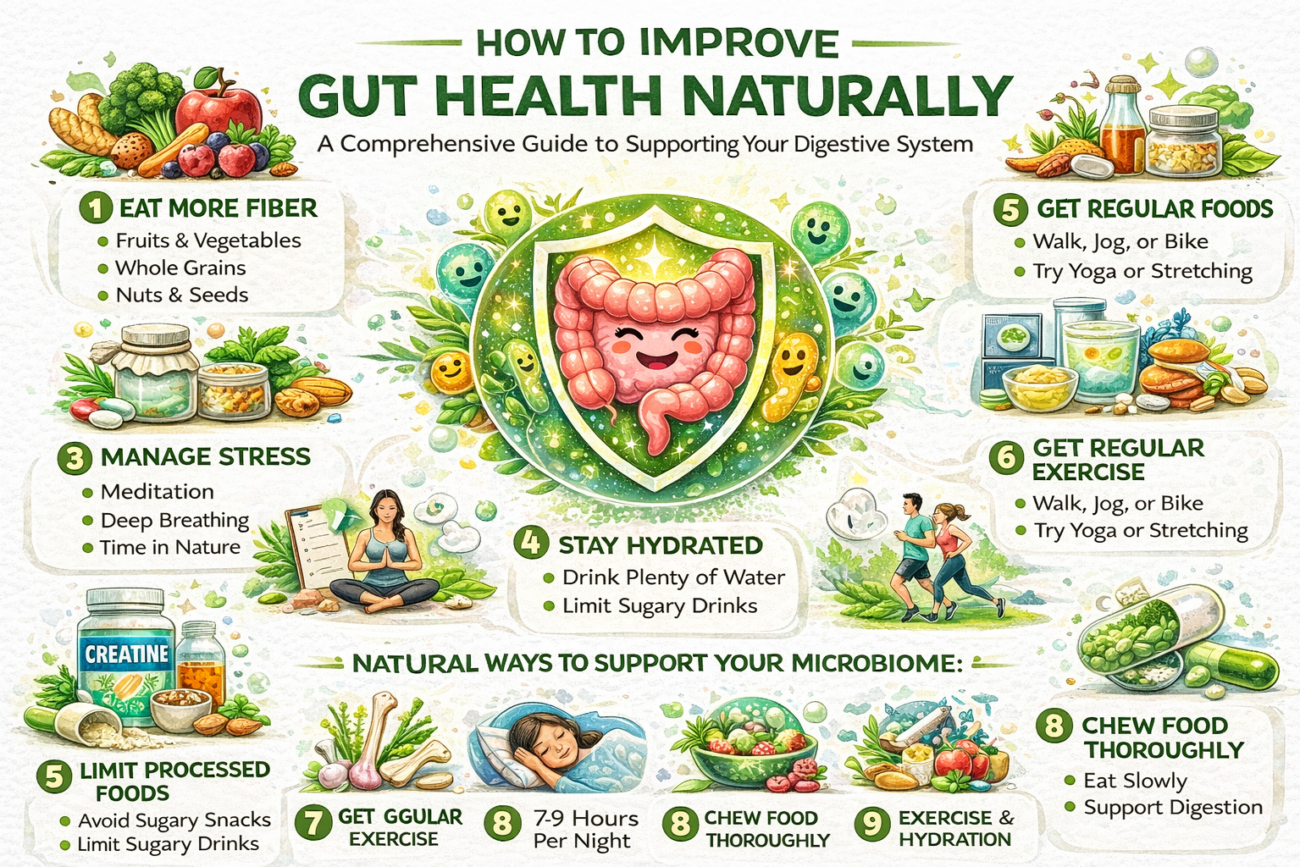
Perhaps no dietary component matters more for gut health than fiber. Dietary fiber, particularly the indigestible types that reach your colon intact, serves as food for beneficial gut bacteria. This fermentation process produces short-chain fatty acids like butyrate, propionate, and acetate that nourish colon cells, reduce inflammation, and provide numerous health benefits.
Most adults fall far short of the recommended 25-35 grams of daily fiber, getting only about 15 grams on average. Increasing fiber intake is one of the most powerful natural interventions for gut health, but it should be done gradually to avoid digestive discomfort as your microbiome adapts.
Excellent fiber sources include vegetables like broccoli, Brussels sprouts, carrots, and leafy greens, fruits such as apples, pears, berries, and bananas, legumes including beans, lentils, and chickpeas, whole grains like oats, quinoa, barley, and brown rice, and nuts and seeds, particularly chia, flax, and almonds. Each type of fiber feeds different beneficial bacteria, so diversity in fiber sources promotes microbiome diversity.
A practical approach is adding one to two servings of high-fiber foods to each meal, starting your day with oatmeal topped with berries and ground flaxseed, including vegetables at lunch and dinner, snacking on fruits, nuts, or vegetables, and replacing refined grains with whole grain alternatives. The goal is gradual, sustainable increases rather than dramatic overnight changes that might cause bloating or discomfort.
Incorporate Fermented Foods Regularly
Fermented foods have been dietary staples in traditional cultures worldwide, and modern science confirms their benefits for gut health. These foods contain live beneficial bacteria (probiotics) that can enhance microbiome diversity and support digestive function. Regular consumption introduces beneficial strains that may colonize, at least temporarily, and crowd out harmful bacteria.
Particularly beneficial fermented foods include yogurt with live active cultures containing Lactobacillus and Bifidobacterium strains, kefir, a fermented milk drink with diverse bacterial and yeast strains, sauerkraut made from fermented cabbage, ideally unpasteurized for live cultures, kimchi, the spicy Korean fermented vegetable dish, kombucha, fermented tea containing beneficial bacteria and yeasts, miso, fermented soybean paste used in Japanese cuisine, and tempeh, fermented soybeans with a firm texture.
For maximum benefit, choose unpasteurized versions when safe and available, as pasteurization kills the beneficial bacteria. Start with small amounts, perhaps a few tablespoons daily, and gradually increase as your digestive system adapts. Aim to include fermented foods daily or at least several times weekly. The variety matters too—different fermented foods contain different bacterial strains, so rotating among several types provides broader benefits than relying on just one.
Eat Plenty of Prebiotic Foods
While probiotics are the beneficial bacteria themselves, prebiotics are the foods that feed them. Prebiotic fibers resist digestion in the upper gastrointestinal tract and reach the colon intact where they’re fermented by beneficial bacteria. This selective feeding promotes the growth of health-promoting bacterial species.
Foods particularly rich in prebiotic compounds include garlic and onions containing inulin and fructooligosaccharides, asparagus and leeks providing prebiotic fibers, bananas, especially when slightly green, containing resistant starch, Jerusalem artichokes, extremely high in inulin, chicory root, another potent inulin source, whole oats containing beta-glucan, and apples, rich in pectin that beneficial bacteria ferment.
Ideally, consume several prebiotic foods daily as part of your regular meals. Cooking and cooling certain starches like potatoes, rice, and pasta increases their resistant starch content, providing additional prebiotic benefits. The combination of prebiotic foods and probiotic foods or supplements creates a synbiotic effect, where the probiotics have the fuel they need to thrive.
Minimize Processed Foods and Added Sugars
Modern processed foods, while convenient, can significantly harm gut health. They typically lack fiber that feeds beneficial bacteria, contain additives and emulsifiers that may damage the intestinal lining or disrupt the microbiome, provide excessive refined sugars that feed harmful bacteria and yeasts, and include unhealthy fats that promote inflammation.
Studies have shown that highly processed diets reduce microbiome diversity within days, shifting the bacterial composition toward species associated with inflammation and metabolic problems. Conversely, transitioning to a whole-foods diet rapidly improves microbiome health.
Practical steps include gradually replacing processed snacks with whole food alternatives like fruit, nuts, or vegetables, cooking more meals at home using whole ingredients, reading labels and avoiding products with long lists of unfamiliar additives, reducing consumption of sugary beverages, sweets, and desserts, and choosing whole grains over refined grain products. You don’t need perfection—even reducing processed food intake by 30-50% while increasing whole foods can significantly benefit your gut.
Stay Well Hydrated
Water is essential for digestive health yet often overlooked. Adequate hydration helps maintain the mucosal lining of the intestines, softens stool and prevents constipation, supports the transport of nutrients and waste products, and facilitates the digestive process from saliva production to nutrient absorption.
General recommendations suggest about 8-10 cups of fluids daily for women and 10-12 cups for men, though individual needs vary based on activity level, climate, and body size. You can tell you’re well-hydrated when your urine is pale yellow rather than dark or concentrated.
Beyond quantity, the quality and timing of hydration matter. Water is the best choice for hydration, herbal teas provide hydration plus beneficial compounds, bone broth offers hydration with gut-supporting collagen and minerals, and you should limit beverages that can harm gut health like excessive alcohol, sugary drinks, and too much caffeine.
Drinking a glass of water upon waking helps rehydrate after sleep and stimulate digestive function. Having water with meals aids digestion, though excessive amounts might dilute digestive enzymes, so moderation is key. Staying hydrated throughout the day rather than consuming large amounts at once optimizes absorption and utilization.
Manage Stress Effectively
The gut-brain connection is profound and bidirectional. Chronic stress directly impacts gut health through multiple mechanisms, increasing intestinal permeability (leaky gut), altering gut motility leading to diarrhea or constipation, changing the microbiome composition toward less beneficial species, reducing digestive enzyme and stomach acid production, and increasing inflammation throughout the digestive tract.
Many people notice that stress triggers or worsens digestive symptoms—this isn’t coincidence but reflects the intimate connection between psychological stress and gut function. Managing stress is therefore crucial for gut health, not just mental wellbeing.
Effective stress management practices include regular meditation or mindfulness practice, which reduces stress hormones and promotes parasympathetic (rest-and-digest) nervous system activity, deep breathing exercises that activate the vagus nerve connecting brain and gut, regular physical activity that reduces stress while supporting gut motility, adequate sleep that allows the gut to repair and restore, time in nature which reduces cortisol and promotes wellbeing, and engaging in enjoyable hobbies and social connections.
Even 10-15 minutes daily of stress-reduction practices can meaningfully impact gut health. The key is consistency rather than duration—regular brief practices often work better than occasional lengthy sessions.
Prioritize Quality Sleep
Sleep and gut health are interconnected in ways researchers are still uncovering. The gut microbiome follows circadian rhythms, with bacterial populations and activities fluctuating throughout the day. Disrupted sleep patterns disturb these rhythms, negatively affecting microbiome composition and diversity.
Poor sleep also increases inflammation, impairs immune function that protects the gut, and alters appetite hormones often leading to less healthy food choices that further harm gut health. Conversely, an unhealthy gut can disrupt sleep through inflammation, discomfort, or alterations in neurotransmitter production.
To support both sleep and gut health, maintain a consistent sleep schedule going to bed and waking at similar times daily, create an optimal sleep environment that’s dark, quiet, and cool, limit screen time before bed as blue light disrupts circadian rhythms, avoid large meals within 2-3 hours of bedtime, limit caffeine after early afternoon, and consider relaxation practices before bed like reading or gentle stretching.
Most adults need 7-9 hours of quality sleep nightly. If you’re consistently getting less, improving sleep quantity and quality should be a priority for gut health and overall wellness.
Exercise Regularly
Physical activity benefits gut health through multiple pathways. Exercise increases microbiome diversity, promotes the growth of beneficial bacterial species that produce health-promoting metabolites, enhances gut motility helping prevent constipation, reduces inflammation systemically and in the gut, strengthens the immune system, and may improve intestinal barrier function.
Research shows that even moderate exercise creates measurable changes in the gut microbiome within weeks, with active individuals having more diverse microbiomes compared to sedentary people. The benefits appear independent of diet, meaning exercise improves gut health even without dietary changes.
For gut health, aim for at least 150 minutes of moderate-intensity activity weekly, which could be broken into 30 minutes on five days. Include a mix of aerobic exercise like walking, jogging, cycling, or swimming, strength training which supports metabolism and muscle health, and flexibility and mobility work like yoga or stretching.
Interestingly, yoga may offer particular benefits for gut health beyond general exercise, as it combines physical movement with stress reduction and includes poses that massage abdominal organs and promote healthy digestion.
Chew Food Thoroughly
This simple practice is often overlooked but fundamentally important for gut health. Digestion begins in your mouth, where chewing breaks food into smaller particles and mixes it with saliva containing digestive enzymes. Thorough chewing reduces the burden on your stomach and intestines, improves nutrient extraction from food, prevents large food particles from fermenting improperly in the gut, and promotes mindful eating that supports healthier food choices and better appetite regulation.
Many people eat quickly, barely chewing before swallowing. This forces your digestive system to work much harder and can lead to bloating, gas, and incomplete digestion. Aim to chew each bite 20-30 times until food is nearly liquid before swallowing. This might feel slow initially but becomes natural with practice.
Additional mindful eating practices that support gut health include eating without distractions like television or phones, sitting down for meals rather than eating on the go, putting utensils down between bites, and paying attention to hunger and fullness cues.
Limit Unnecessary Antibiotic Use
Antibiotics are life-saving medications when truly needed, but they’re often prescribed unnecessarily for viral infections they can’t treat. Each course of antibiotics can significantly disrupt your gut microbiome, reducing diversity and beneficial species while allowing opportunistic pathogens to flourish.
While the microbiome typically recovers somewhat after antibiotics, it may not fully return to its previous state, especially after repeated courses. Some changes can persist for months or even years. To protect your gut health, only take antibiotics when truly medically necessary for bacterial infections, complete the full prescribed course to prevent resistant bacteria, ask your doctor if antibiotics are truly needed or if the infection might resolve without them, and take probiotics during and after antibiotic treatment to help restore beneficial bacteria.
Research suggests that taking probiotics, particularly Saccharomyces boulardii or specific Lactobacillus strains, during antibiotic treatment can reduce the risk of antibiotic-associated diarrhea and help restore microbiome balance more quickly.
Reduce Exposure to Environmental Toxins
Environmental factors you might not associate with gut health can significantly impact your microbiome and intestinal function. When possible, reduce exposure to unnecessary pesticides by choosing organic produce for the “Dirty Dozen” most contaminated fruits and vegetables, antibiotics in conventionally raised meat and dairy by opting for organic or antibiotic-free options, artificial sweeteners which may negatively affect gut bacteria, excessive alcohol which damages the intestinal lining and disrupts the microbiome, and non-steroidal anti-inflammatory drugs (NSAIDs) used chronically, which can increase intestinal permeability.
Additionally, certain food additives including emulsifiers and artificial colors may harm gut health, though more research is needed. Choosing minimally processed whole foods naturally limits exposure to these additives.
Consider Intermittent Fasting
Giving your digestive system regular breaks through intermittent fasting may benefit gut health. Extended periods without food allow the migrating motor complex to sweep through the intestines, clearing out residual particles and bacteria, reduce inflammation in the digestive tract, promote autophagy where cells clean out damaged components, and may beneficially shift microbiome composition.
Common approaches include time-restricted eating, consuming all food within an 8-12 hour window daily, such as eating between noon and 8 PM, or occasional 24-hour fasts once weekly or monthly. Even simply avoiding late-night snacking and establishing a 12-hour overnight fast can benefit gut health.
Start gradually if you’re new to fasting, perhaps beginning with a 12-hour overnight fast and slowly extending if it feels comfortable. Fasting isn’t appropriate for everyone, particularly those with certain medical conditions, pregnant or breastfeeding women, or those with a history of eating disorders.
Include Bone Broth and Collagen
Bone broth, made by simmering bones for extended periods, contains compounds that may support gut health. These include collagen and gelatin that may help repair the intestinal lining, the amino acids glycine and glutamine which support gut barrier function, and minerals extracted from bones. While research specifically on bone broth is limited, its components have demonstrated gut-supporting properties.
Making bone broth at home involves simmering chicken, beef, or fish bones with vegetables and herbs for 12-24 hours. The resulting broth can be consumed alone or used as a base for soups and stews. Alternatively, collagen peptide supplements provide similar amino acids in a convenient powder form.
Aim for a cup or two of bone broth several times weekly, or use collagen supplements according to package directions, typically 10-20 grams daily.
Stay Consistent and Patient
Perhaps the most important principle for improving gut health naturally is consistency over time. The gut microbiome doesn’t transform overnight—meaningful changes typically require weeks to months of sustained healthy practices. You might notice some improvements quickly, like reduced bloating or more regular bowel movements, while others like enhanced immunity or improved skin may take longer to manifest.
Rather than attempting to implement every strategy simultaneously, which can feel overwhelming, choose two or three changes to focus on initially. Once these become habitual, add additional practices. This gradual approach is more sustainable than dramatic overhauls that often can’t be maintained.
Remember that setbacks are normal. An occasional less-than-ideal meal, a stressful week, or a disrupted sleep schedule won’t undo your progress. What matters is the overall pattern of your choices over weeks and months, not perfection every single day.
The Bottom Line
Improving gut health naturally is achievable through evidence-based lifestyle and dietary practices that work synergistically to create a healthy internal ecosystem. The foundation includes eating a diverse, fiber-rich diet with plenty of prebiotic and fermented foods, staying well-hydrated, managing stress effectively, prioritizing quality sleep, and exercising regularly. Additional strategies like thorough chewing, limiting processed foods and unnecessary antibiotics, and considering practices like intermittent fasting can further enhance gut health.
These natural approaches address the root causes of poor gut health rather than just masking symptoms. They work with your body’s inherent wisdom, supporting the complex ecosystem that is your microbiome. While supplements and medications have their place, especially for diagnosed conditions, these foundational lifestyle practices should be the first line of intervention for most people seeking to improve their gut health.
The remarkable thing about the gut microbiome is its plasticity—it can change relatively quickly in response to your choices. Every meal is an opportunity to feed beneficial bacteria, every night of good sleep supports gut repair, and every stress-reduction practice calms the gut-brain axis. By implementing these natural strategies consistently, you can transform your gut health and, in doing so, enhance your overall health, energy, immunity, and quality of life.