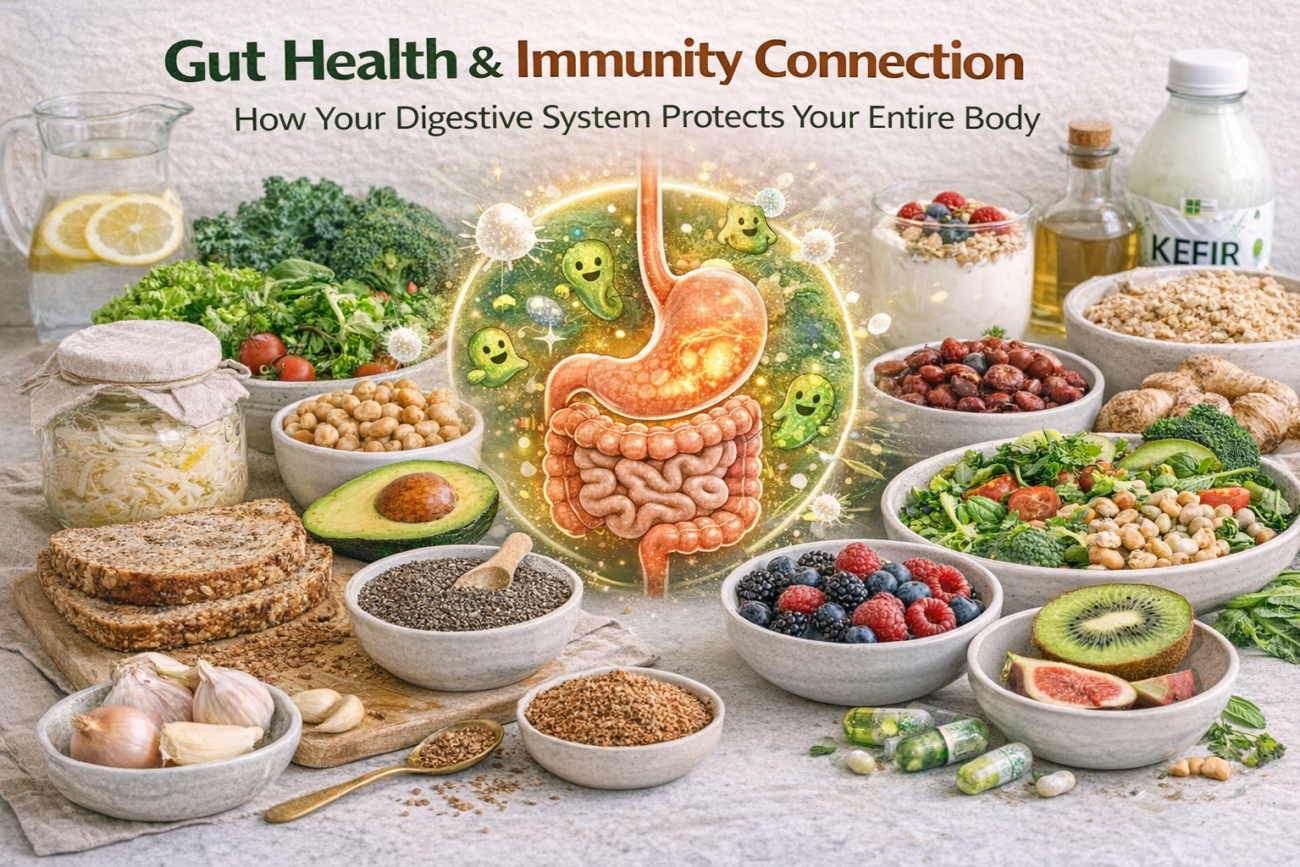
When most people think about their immune system, they imagine white blood cells circulating through their bloodstream, fighting off infections. Few realize that approximately 70-80% of the immune system actually resides in or around the gut. This remarkable fact highlights one of the most important and underappreciated connections in human health: the intimate relationship between digestive wellness and immune function. Understanding how your gut influences immunity can fundamentally change how you approach health, from preventing common colds to managing chronic inflammatory conditions. The gut isn’t just where you digest food—it’s command central for your body’s defense system.
The Gut as Immune Headquarters
Your gastrointestinal tract is far more than a simple tube for processing food. It’s actually the largest immune organ in your body, containing more immune cells than any other part of your system. This makes evolutionary sense when you consider that your gut is a primary interface between your internal body and the external environment. Everything you eat and drink passes through this system, exposing you to potential pathogens, toxins, and foreign substances.
The gut-associated lymphoid tissue (GALT) is the immune system component specifically residing in and around the intestines. This sophisticated network includes Peyer’s patches, which are organized lymphoid follicles in the small intestine that sample antigens and initiate immune responses; M cells that capture antigens from the gut lumen and present them to immune cells; immunoglobulin A (IgA) producing cells that secrete antibodies into the intestinal lumen; various immune cells including T cells, B cells, macrophages, and dendritic cells; and the lamina propria, connective tissue beneath the intestinal lining packed with immune cells.
This extensive immune presence allows your gut to distinguish between harmless food proteins, beneficial bacteria, and genuine threats like pathogenic bacteria, viruses, and parasites. This discrimination is crucial—overreaction leads to food allergies and autoimmune conditions, while underreaction leaves you vulnerable to infections.
The Gut Microbiome: Your Immune Training Ground
The trillions of microorganisms living in your gut, collectively called the gut microbiome, play an indispensable role in immune function. These bacteria, viruses, fungi, and other microbes aren’t passive inhabitants but active participants in training, regulating, and supporting your immune system.
The microbiome influences immunity through multiple mechanisms. It educates immune cells by exposing them to various microbial components, teaching them to distinguish threats from harmless substances. This early education is critical for developing appropriate immune responses. Studies show that children raised in overly sterile environments or those receiving multiple courses of antibiotics early in life have higher rates of allergies and autoimmune conditions, likely due to insufficient immune education.
Beneficial bacteria compete with pathogens for nutrients and attachment sites in the gut, physically crowding out harmful organisms. They also produce antimicrobial substances including bacteriocins that kill competing bacteria and short-chain fatty acids (SCFAs) that create an acidic environment hostile to many pathogens. The microbiome regulates inflammation by producing anti-inflammatory compounds and signaling molecules that prevent excessive immune activation. It strengthens the intestinal barrier by supporting tight junction proteins that seal gaps between intestinal cells and stimulating mucus production that protects the gut lining. Additionally, beneficial bacteria synthesize vitamins including vitamin K and certain B vitamins that support immune function.
The composition and diversity of your microbiome significantly impact your immune health. Greater microbial diversity generally correlates with better immune function and lower rates of inflammatory and autoimmune diseases. Conversely, dysbiosis—an imbalance in gut bacteria—is associated with increased susceptibility to infections, chronic inflammation, allergies and asthma, autoimmune conditions, and metabolic disorders.
The Intestinal Barrier: Your First Line of Defense
The intestinal lining serves as a critical barrier between the contents of your gut and your bloodstream. This single-cell-thick layer must be selectively permeable—allowing nutrients through while blocking pathogens, toxins, and large undigested food particles. When functioning properly, this barrier is remarkably effective. When compromised, it contributes to numerous health problems.
The barrier consists of several components working together. Epithelial cells form a continuous layer lining the intestine, with tight junction proteins sealing the spaces between cells to prevent unwanted substances from passing through. A thick mucus layer creates a physical barrier separating bacteria from the intestinal wall. Secretory IgA antibodies in the mucus neutralize pathogens and toxins. Antimicrobial peptides produced by intestinal cells kill bacteria that breach the mucus layer.
When this barrier becomes compromised—a condition sometimes called “increased intestinal permeability” or “leaky gut”—larger molecules can pass into the bloodstream. This triggers immune responses and inflammation as the immune system responds to substances it perceives as foreign threats. This chronic low-grade inflammation can contribute to systemic health problems including autoimmune diseases, allergies, skin conditions like eczema, mood disorders, and metabolic issues.
Factors that damage the intestinal barrier include chronic stress, which reduces blood flow to the gut and impairs barrier function; poor diet high in processed foods, sugar, and unhealthy fats; excessive alcohol consumption that directly damages intestinal cells; certain medications including NSAIDs and antibiotics; chronic infections and inflammatory conditions; and imbalanced gut bacteria that fail to support barrier integrity.
Maintaining a healthy intestinal barrier is crucial for proper immune function. When the barrier is intact, the immune system can focus on genuine threats rather than being constantly activated by substances that shouldn’t enter the bloodstream.
How Gut Health Influences Infection Resistance
Your gut’s influence on immunity extends far beyond the digestive tract itself. A healthy gut microbiome and robust intestinal immune system enhance your ability to fight infections throughout your body, including respiratory infections like colds and flu.
The mechanisms connecting gut health to infection resistance are multifaceted. The gut microbiome primes systemic immunity by training immune cells that then circulate throughout the body. Immune cells educated in the gut travel to other tissues, bringing their training with them. Beneficial gut bacteria produce metabolites that have systemic anti-inflammatory and immune-modulating effects, influencing immune function in distant organs.
The gut-lung axis describes the bidirectional communication between gut and respiratory immunity. Research shows that gut microbiome composition affects susceptibility to respiratory infections and lung inflammation. Studies have found that people with more diverse gut microbiomes tend to experience fewer and less severe respiratory infections. Probiotic supplementation, particularly with specific Lactobacillus and Bifidobacterium strains, has been shown to reduce the incidence, duration, and severity of common colds and flu.
The gut also influences vaccine responses. People with healthier gut microbiomes tend to produce stronger antibody responses to vaccinations, meaning their bodies create better protection from immunizations. This connection demonstrates how foundational gut health is to overall immune competence.
Gut Health and Autoimmune Conditions
Autoimmune diseases occur when the immune system mistakenly attacks the body’s own tissues. While genetics play a role, environmental factors including gut health are increasingly recognized as critical contributors. The connection between gut dysfunction and autoimmunity is so strong that many researchers now consider intestinal permeability a prerequisite for autoimmune disease development.
The proposed mechanism involves a breakdown in immune tolerance. Normally, your immune system learns not to attack your own tissues through a process called tolerance. The gut plays a central role in establishing and maintaining this tolerance. When the intestinal barrier is compromised and the microbiome is imbalanced, several problems can occur.
Foreign substances entering through a leaky gut trigger immune responses that may cross-react with the body’s own tissues through a process called molecular mimicry. Chronic inflammation from gut dysbiosis may activate autoreactive immune cells that attack self-tissues. Imbalances in regulatory T cells, which normally suppress inappropriate immune responses, may allow autoimmunity to develop. The gut microbiome influences regulatory T cell development—dysbiosis can reduce these important immune regulators.
Many autoimmune conditions show strong associations with gut health disruptions including inflammatory bowel diseases (Crohn’s disease and ulcerative colitis), celiac disease triggered by gluten proteins damaging the intestinal lining, rheumatoid arthritis with emerging evidence linking gut bacteria to joint inflammation, type 1 diabetes where gut dysbiosis may precede disease onset, multiple sclerosis showing associations with specific gut bacterial patterns, and thyroid autoimmunity (Hashimoto’s thyroiditis) linked to intestinal permeability and dysbiosis.
Improving gut health through diet, probiotics, and lifestyle modifications shows promise as part of comprehensive treatment approaches for autoimmune conditions, though it’s not a replacement for medical care.
The Gut-Brain-Immune Triangle
The connection between gut health and immunity extends into an even more complex relationship involving the brain. The gut-brain axis—bidirectional communication between the digestive and nervous systems—also influences immune function. This three-way connection means that stress, emotions, and mental state can affect gut health, which in turn impacts immunity.
Stress provides a clear example of this interconnection. When you experience psychological stress, your brain activates the hypothalamic-pituitary-adrenal (HPA) axis and sympathetic nervous system. These stress responses directly affect the gut by reducing blood flow to the intestines, slowing gut motility, altering gut microbiome composition, increasing intestinal permeability, and suppressing immune function in the gut.
These gut changes then create systemic effects including increased systemic inflammation, reduced resistance to infections, and exacerbation of inflammatory and autoimmune conditions. This helps explain why people under chronic stress tend to get sick more often and may experience flare-ups of inflammatory conditions.
The gut also influences the brain and mental state through immune pathways. Inflammatory signals from an unhealthy gut can trigger brain inflammation affecting mood, cognition, and behavior. This bidirectional relationship means that improving gut health can enhance mental wellbeing, while stress management supports gut and immune health.
Nutritional Support for Gut Immunity
Diet profoundly influences gut health and, consequently, immune function. Certain dietary patterns and specific foods support a healthy microbiome, strong intestinal barrier, and robust immune responses.
Fiber is foundational for gut immune health. Dietary fiber feeds beneficial bacteria that produce short-chain fatty acids (SCFAs) including butyrate, propionate, and acetate. These SCFAs nourish intestinal cells, reduce inflammation, strengthen the intestinal barrier, and regulate immune cell activity. Studies show that people consuming high-fiber diets have more diverse microbiomes and stronger immune function. Excellent fiber sources include vegetables, fruits, whole grains, legumes, nuts, and seeds.
Fermented foods provide beneficial bacteria that can temporarily colonize the gut and support immune function. Regular consumption of yogurt, kefir, sauerkraut, kimchi, kombucha, miso, and tempeh increases microbiome diversity and enhances immune responses. Research shows that people who regularly consume fermented foods have reduced inflammatory markers and better immune function.
Polyphenols, antioxidant compounds found in colorful fruits and vegetables, green tea, dark chocolate, and extra virgin olive oil, support beneficial bacteria while inhibiting harmful ones. They also have direct anti-inflammatory and immune-modulating effects. Omega-3 fatty acids from fatty fish, flaxseeds, chia seeds, and walnuts reduce inflammation throughout the body including in the gut, supporting healthy immune regulation.
Glutamine, an amino acid found in bone broth, eggs, and certain vegetables, supports intestinal barrier integrity and immune cell function in the gut. Vitamin D, often obtained through sun exposure or supplementation, regulates immune function and supports the intestinal barrier. Zinc from oysters, red meat, poultry, beans, and nuts is essential for immune cell development and function.
Conversely, certain dietary factors harm gut immunity. Highly processed foods lacking fiber starve beneficial bacteria and promote inflammatory species. Excessive sugar feeds harmful bacteria and yeasts while promoting inflammation. Artificial sweeteners may disrupt the microbiome and glucose metabolism. Emulsifiers and other additives in processed foods can damage the intestinal barrier and promote inflammation. Trans fats and excessive omega-6 fatty acids promote inflammation and may harm gut bacteria.
Probiotics and Prebiotics for Immune Support
Targeted supplementation with probiotics (beneficial bacteria) and prebiotics (compounds that feed beneficial bacteria) can support gut-based immunity. Not all probiotics are equal—different strains provide different benefits, and effectiveness depends on the strain, dose, and individual.
Strains with strong evidence for immune support include Lactobacillus rhamnosus GG, which reduces respiratory and gastrointestinal infections, particularly in children; Bifidobacterium lactis, shown to enhance immune cell activity and reduce infection duration; Lactobacillus casei, which may improve vaccine responses and reduce respiratory infections; Saccharomyces boulardii, a beneficial yeast that prevents and treats various infections, particularly antibiotic-associated diarrhea; and multi-strain formulations that often provide broader benefits than single strains.
Effective probiotic doses typically range from 1-10 billion CFU (colony-forming units) daily for maintenance, with higher doses sometimes used therapeutically. Consistency matters more than occasional high doses—regular consumption provides sustained benefits.
Prebiotics support immunity by feeding beneficial bacteria. Effective prebiotic compounds include inulin found in chicory root, Jerusalem artichokes, and garlic; fructooligosaccharides (FOS) in onions, bananas, and asparagus; galactooligosaccharides (GOS) in legumes and certain dairy products; and resistant starch in cooked and cooled potatoes, rice, and green bananas.
Synbiotics, combinations of probiotics and prebiotics, may provide enhanced benefits by delivering beneficial bacteria along with their preferred fuel.
Lifestyle Factors Supporting Gut Immunity
Beyond diet and supplements, several lifestyle factors significantly influence gut-based immune function.
Regular physical activity enhances microbiome diversity, reduces inflammation, supports gut motility, and directly improves immune function. Even moderate exercise like daily walking provides benefits. However, excessive intense exercise without adequate recovery can temporarily suppress immunity and increase intestinal permeability.
Quality sleep is essential for gut and immune health. During sleep, your body repairs the intestinal barrier, regulates immune function, and supports beneficial bacteria. Sleep deprivation disrupts the microbiome, increases intestinal permeability, impairs immune responses, and increases inflammatory markers. Aim for 7-9 hours of quality sleep nightly.
Stress management is critical given the direct connection between psychological stress and gut immunity. Effective techniques include meditation and mindfulness, which reduce stress hormones and support gut health; yoga, combining physical activity with stress reduction; deep breathing exercises that activate the parasympathetic nervous system; time in nature, which reduces stress and may expose you to beneficial environmental microbes; and social connection, as positive relationships buffer stress and support overall health.
Avoiding unnecessary antibiotics protects the microbiome. While antibiotics are lifesaving when truly needed for bacterial infections, overuse damages beneficial bacteria, sometimes permanently altering microbiome composition. Take antibiotics only when medically necessary, always complete prescribed courses to prevent resistance, and consider probiotic supplementation during and after antibiotic treatment to support microbiome recovery.
Limiting alcohol consumption protects the intestinal barrier and microbiome. Excessive alcohol directly damages intestinal cells, promotes harmful bacteria, increases intestinal permeability, and impairs immune function. If you drink, do so in moderation—up to one drink daily for women and two for men.
Supporting Gut Immunity Across the Lifespan
The gut-immunity connection is important throughout life, though specific considerations vary by age.
In infancy and childhood, gut microbiome development and immune education are intimately linked. Vaginal birth exposes infants to maternal bacteria that seed their microbiome, while breastfeeding provides prebiotics, antibodies, and beneficial bacteria. Introduction of diverse foods during weaning supports microbiome diversity and immune development. Early childhood is a critical window for establishing healthy gut immunity that influences lifelong health. Exposure to diverse microbes through outdoor play, animals, and varied environments supports robust immune development.
In adulthood, maintaining gut health through diet, lifestyle, and stress management preserves immune function. This is particularly important during periods of high stress, illness, or when taking medications that might disrupt the microbiome.
As we age, the microbiome tends to become less diverse and the intestinal barrier may weaken. This contributes to “inflammaging”—chronic low-grade inflammation associated with aging. Older adults particularly benefit from probiotic-rich foods, adequate fiber intake, regular physical activity, and social engagement, all of which support gut-based immunity and healthy aging.
When Gut-Immune Issues Require Medical Attention
While optimizing gut health through diet and lifestyle benefits most people, certain symptoms warrant medical evaluation. Consult healthcare providers if you experience chronic digestive symptoms like persistent diarrhea, constipation, or pain; frequent infections suggesting compromised immunity; autoimmune symptoms or diagnosed autoimmune conditions; severe food sensitivities or allergies developing in adulthood; unexplained inflammation or elevated inflammatory markers; or symptoms not improving with dietary and lifestyle modifications.
Comprehensive approaches combining conventional medicine with gut-focused interventions often yield the best results for complex immune and inflammatory conditions.
The Bottom Line
The connection between gut health and immunity is profound and multifaceted. Your gut houses the majority of your immune system, trains immune cells to respond appropriately, produces compounds that regulate inflammation throughout your body, and serves as a critical barrier preventing harmful substances from triggering immune responses. The trillions of microorganisms in your gut actively participate in immune function, making microbiome health inseparable from immune health.
Supporting this crucial connection requires a comprehensive approach including eating a diverse, fiber-rich diet with fermented foods, managing stress effectively, prioritizing quality sleep, exercising regularly, avoiding unnecessary antibiotics, and considering targeted probiotic supplementation. These strategies don’t just improve digestion—they enhance your body’s ability to fight infections, regulate inflammation, and maintain the delicate balance that prevents both immunodeficiency and autoimmunity.
Understanding the gut-immunity connection empowers you to take proactive steps that support your body’s defense systems naturally. Whether you’re trying to reduce frequency of common infections, manage an inflammatory condition, or simply optimize overall health, supporting your gut is one of the most powerful interventions available. The evidence is clear: a healthy gut is foundational to a healthy immune system, and investing in digestive wellness pays dividends throughout your entire body.