Bloating and gas are among the most common digestive complaints, affecting millions of people regularly. That uncomfortable feeling of fullness, tightness, or swelling in your abdomen, often accompanied by excessive gas, burping, or flatulence, can range from mildly annoying to significantly disruptive to daily life. While occasional bloating and gas are normal parts of digestion, persistent or severe symptoms often indicate underlying issues that need addressing. Understanding the various causes can help you identify triggers, make informed dietary and lifestyle changes, and know when to seek medical attention.
Understanding Normal Gas Production
Before exploring what goes wrong, it’s helpful to understand that some gas production is completely normal and healthy. The average person produces 1-4 pints of gas daily and passes gas 14-23 times per day, though most people are unaware of many of these episodes. Gas in your digestive system comes from two main sources: swallowed air and bacterial fermentation of undigested food in the colon.
Normal, healthy gut bacteria ferment fiber and certain carbohydrates that your body cannot digest, producing gases including hydrogen, methane, and carbon dioxide as byproducts. This process is actually beneficial, as it produces short-chain fatty acids that nourish colon cells and support overall health. The problem arises when gas production becomes excessive, when gas becomes trapped causing painful distension, or when the bloating is accompanied by other concerning symptoms.
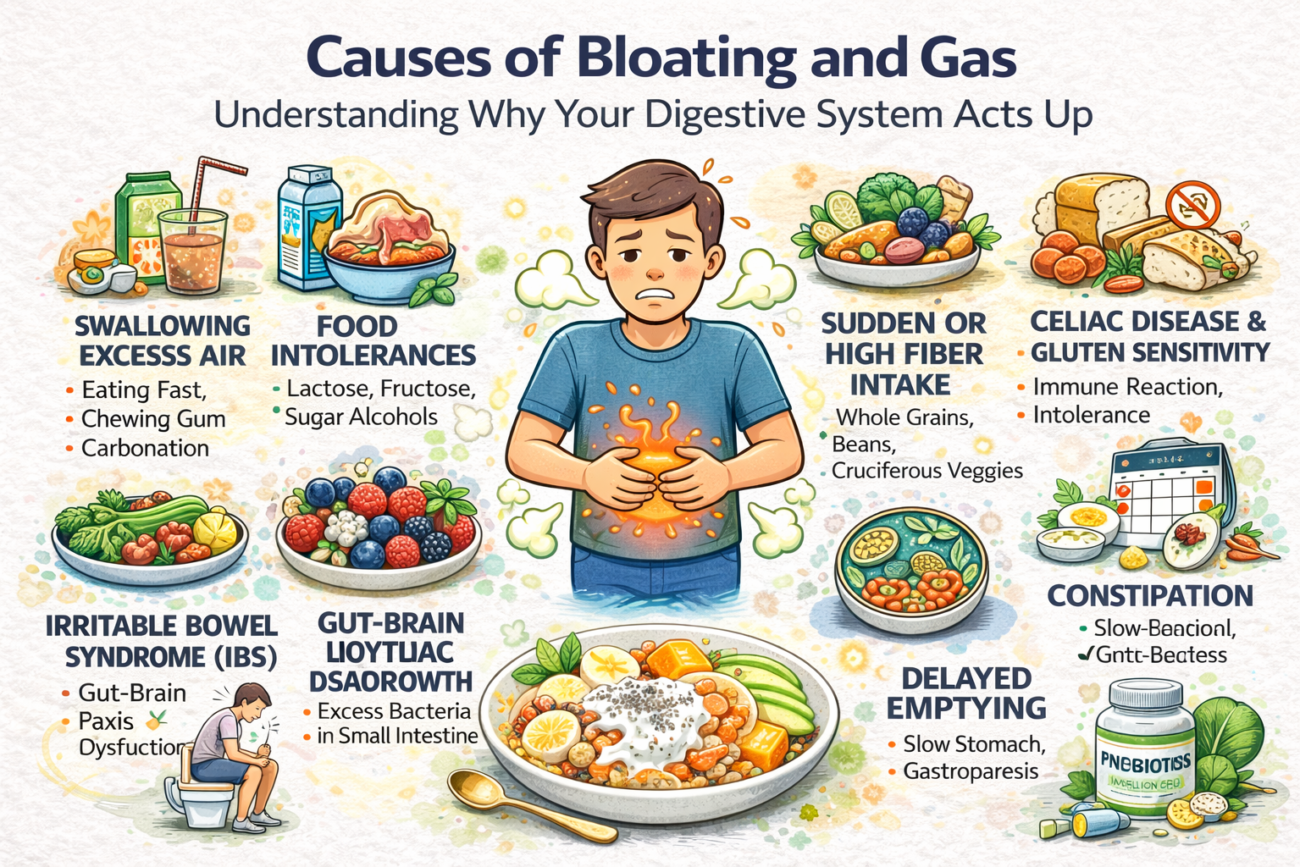
Swallowing Excessive Air
Aerophagia, or swallowing air, contributes significantly to gas and bloating for many people. You naturally swallow small amounts of air when eating and drinking, but certain habits increase this substantially. Eating too quickly without properly chewing forces you to gulp air along with food. In our rushed modern lives, many people eat meals in just minutes, barely chewing before swallowing.
Drinking through straws creates a vacuum that pulls air into your mouth and digestive system. Similarly, drinking carbonated beverages introduces carbon dioxide directly into your stomach. Chewing gum and sucking on hard candies cause repetitive swallowing that brings air into your digestive tract. Talking while eating opens pathways for air to enter alongside food.
Smoking involves inhaling and swallowing significant amounts of air throughout the day. Certain dental appliances like loose dentures can cause increased air swallowing as you try to hold them in place. Anxiety and stress can lead to unconscious air swallowing or hyperventilation that increases the amount of air entering your digestive system.
The air you swallow accumulates in your stomach and must be released either through burping or by passing through the intestines and being expelled as flatulence. Reducing air swallowing involves eating slowly and mindfully, chewing each bite thoroughly, avoiding straws and carbonated beverages, breaking the gum-chewing habit, not talking with your mouth full, managing stress and anxiety, and ensuring dental appliances fit properly.
Food Intolerances and Sensitivities
Food intolerances occur when your digestive system lacks the enzymes needed to properly break down certain foods. Unlike food allergies, which involve immune responses, intolerances are digestive issues that commonly cause bloating and gas. Lactose intolerance is one of the most common, affecting up to 65% of the global population to varying degrees.
Lactose is the sugar found in milk and dairy products. People with lactose intolerance lack sufficient lactase, the enzyme that breaks down lactose. When lactose reaches the colon undigested, bacteria ferment it, producing significant gas, bloating, cramping, and often diarrhea. The severity varies based on how much lactase you produce and how much lactose you consume.
Fructose malabsorption occurs when the small intestine cannot properly absorb fructose, a sugar found in fruits, honey, and high-fructose corn syrup used in many processed foods. Unabsorbed fructose travels to the colon where bacteria ferment it, causing gas, bloating, and altered bowel habits. Some people tolerate small amounts but experience symptoms with larger quantities.
Sugar alcohols including sorbitol, mannitol, xylitol, and erythritol are commonly used as sweeteners in sugar-free products. These compounds are poorly absorbed in the small intestine and are readily fermented by colon bacteria, often causing significant bloating, gas, and diarrhea even in relatively small amounts.
FODMAP sensitivity involves intolerance to a group of fermentable carbohydrates called FODMAPs (Fermentable Oligosaccharides, Disaccharides, Monosaccharides, and Polyols). These compounds are found in many healthy foods including certain fruits, vegetables, grains, and legumes. People with irritable bowel syndrome (IBS) frequently have FODMAP sensitivity, experiencing dramatic symptom improvement when following a low-FODMAP diet.
Identifying food intolerances often requires careful observation and elimination diets. Keeping a detailed food and symptom diary can reveal patterns. Working with a registered dietitian experienced in digestive disorders can help you systematically identify triggers while maintaining nutritional adequacy.
High-Fiber Foods and Sudden Dietary Changes
Fiber is essential for digestive health, but it can also cause significant bloating and gas, especially when intake increases suddenly. Fiber-rich foods like beans, lentils, broccoli, cabbage, Brussels sprouts, onions, and whole grains contain carbohydrates that human digestive enzymes cannot break down. These reach the colon intact where bacteria ferment them, producing gas as a natural byproduct.
Beans and legumes are notorious gas producers because they contain oligosaccharides, complex sugars that humans lack the enzymes to digest. Different varieties produce varying amounts of gas, with soybeans, navy beans, and kidney beans being particularly potent, while lentils and black-eyed peas tend to be gentler.
Cruciferous vegetables including broccoli, cauliflower, cabbage, and Brussels sprouts contain raffinose, another complex sugar that bacteria ferment enthusiastically. These vegetables also contain sulfur compounds that can make gas particularly odorous.
The solution isn’t avoiding these nutritious foods but rather introducing them gradually to allow your gut bacteria to adapt. Start with small portions and slowly increase over several weeks. Cooking methods matter too—thorough cooking breaks down some of the complex carbohydrates, making foods easier to digest. For beans, soaking them for 12 hours and discarding the soaking water before cooking removes many of the gas-producing oligosaccharides.
Enzyme supplements like Beano contain alpha-galactosidase, which helps break down the complex sugars in beans and vegetables before they reach the colon, significantly reducing gas production for many people.
Small Intestinal Bacterial Overgrowth (SIBO)
SIBO occurs when bacteria that normally reside primarily in the colon migrate upward and overgrow in the small intestine, or when the small intestine’s normal bacterial population increases excessively. The small intestine should contain relatively few bacteria compared to the colon, but in SIBO, bacterial populations increase dramatically.
These bacteria ferment food much earlier in the digestive process than normal, producing gas in the small intestine where it causes significant bloating, distension, and discomfort. Common symptoms include severe bloating that worsens throughout the day, excessive belching and flatulence, abdominal pain and cramping, diarrhea or constipation or alternating between both, and malabsorption of nutrients leading to deficiencies.
SIBO often develops secondary to other conditions including low stomach acid production, which normally controls bacterial growth; slow gut motility that allows bacteria to accumulate; structural abnormalities that create bacterial reservoirs; and conditions like diabetes, Crohn’s disease, or scleroderma. Certain medications including proton pump inhibitors and opioids increase SIBO risk.
Diagnosing SIBO typically involves a breath test measuring hydrogen and methane gases after consuming a sugar solution. Treatment usually includes antibiotics to reduce bacterial overgrowth, often followed by dietary modifications and prokinetic agents to improve gut motility and prevent recurrence. Working with a gastroenterologist experienced in SIBO is important, as it often requires multiple treatment rounds.
Irritable Bowel Syndrome (IBS)
IBS is a functional digestive disorder affecting 10-15% of the population. It’s characterized by altered gut-brain communication, visceral hypersensitivity (heightened pain perception from the gut), and changes in gut motility and microbiome composition. Bloating and gas are hallmark symptoms, often accompanied by abdominal pain, altered bowel habits, and symptom improvement after bowel movements.
The exact causes of IBS remain unclear, but contributing factors include altered gut microbiome composition with reduced diversity, increased intestinal permeability allowing substances to trigger immune responses, visceral hypersensitivity making normal gas production feel painful, gut-brain axis dysfunction where stress and emotions directly impact gut function, and post-infectious changes following gastroenteritis.
IBS bloating often worsens throughout the day, with the abdomen appearing relatively flat in the morning but becoming progressively distended, sometimes dramatically so. This pattern distinguishes IBS bloating from bloating due to specific food triggers, which typically occurs within hours of eating the offending food.
Managing IBS-related bloating requires a multifaceted approach including dietary modifications like low-FODMAP diets, stress management through techniques like cognitive behavioral therapy or gut-directed hypnotherapy, medications to address specific symptoms, and probiotics, which benefit some IBS patients by improving microbiome balance.
Constipation and Slow Transit
When stool moves slowly through your colon or accumulates, it continues fermenting, producing increasing amounts of gas. Backed-up stool also physically blocks gas from escaping, trapping it and causing distension and discomfort. Constipation-related bloating typically feels lower in the abdomen and may improve after bowel movements.
Constipation has many causes including insufficient fiber intake, which reduces stool bulk and slows transit; inadequate hydration, which allows stool to become hard and difficult to pass; sedentary lifestyle, as physical activity stimulates gut motility; ignoring the urge to defecate, which can lead to chronic constipation over time; and medications including opioids, antacids containing aluminum or calcium, antidepressants, and iron supplements.
Addressing constipation involves gradually increasing fiber intake to 25-35 grams daily, drinking adequate water throughout the day, exercising regularly to stimulate gut motility, establishing regular bathroom routines and not delaying when you feel the urge, and considering gentle natural laxatives like prunes or psyllium if needed.
Hormonal Fluctuations
Many women notice bloating varies with their menstrual cycle, typically worsening in the days before menstruation begins. Hormonal changes affect digestion in several ways. Progesterone, which rises in the luteal phase of the cycle, relaxes smooth muscles including those in the digestive tract, slowing motility and allowing more time for gas production. It also increases water retention throughout the body, including in the abdomen.
Estrogen fluctuations can affect serotonin levels in the gut, influencing motility and sensitivity. During menstruation, prostaglandins released to stimulate uterine contractions also affect the nearby intestines, potentially causing cramping and altered bowel habits.
Hormonal bloating typically peaks 1-2 days before menstruation starts and resolves within the first few days of the period. If bloating is severe or significantly impacts quality of life, discussing hormonal birth control options with your healthcare provider may help stabilize hormonal fluctuations. Reducing salt intake in the week before your period can minimize water retention, and maintaining regular exercise supports gut motility despite hormonal effects.
Gut Dysbiosis
The gut microbiome’s composition significantly affects gas production and bloating. Dysbiosis, an imbalance in gut bacteria, can lead to excessive gas production, reduced gas utilization (some bacteria consume gases produced by others), impaired gut barrier function allowing inflammatory responses, and altered motility and sensitivity.
Factors that disrupt microbiome balance include antibiotics, which kill beneficial bacteria along with harmful ones; highly processed diets low in fiber and high in sugar; chronic stress affecting the gut-brain axis; excessive alcohol consumption; and certain medications including NSAIDs and proton pump inhibitors.
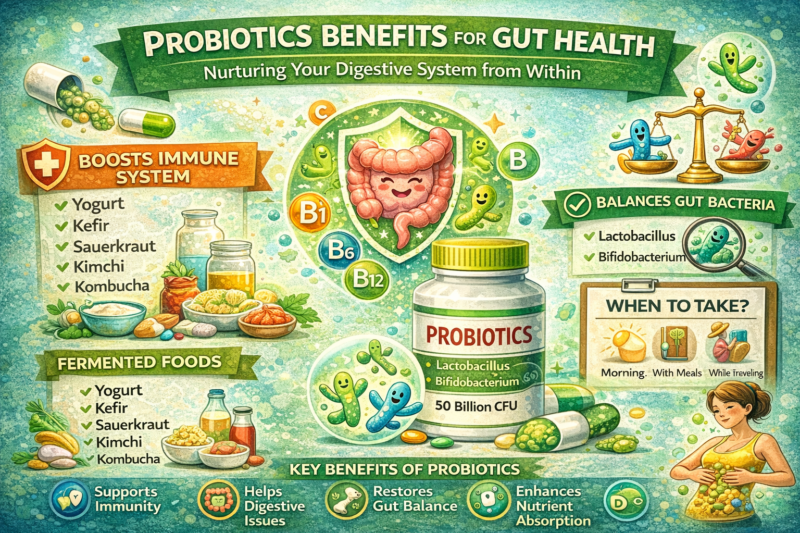
Restoring microbiome balance involves eating diverse fiber-rich foods to feed beneficial bacteria, including fermented foods providing probiotics, considering probiotic supplements, particularly multi-strain formulations, limiting processed foods and added sugars, managing stress effectively, and avoiding unnecessary antibiotic use.
Celiac Disease and Non-Celiac Gluten Sensitivity
Celiac disease is an autoimmune condition where gluten consumption triggers intestinal damage. Even small amounts of gluten cause inflammation, villous atrophy (flattening of intestinal projections that absorb nutrients), and numerous symptoms including severe bloating, gas, diarrhea, malabsorption, fatigue, and weight loss.
Non-celiac gluten sensitivity (NCGS) involves digestive and systemic symptoms in response to gluten without the autoimmune component or intestinal damage seen in celiac disease. Bloating and gas are prominent symptoms that resolve when gluten is eliminated.
If you suspect gluten is causing your symptoms, it’s important to get tested for celiac disease before eliminating gluten, as gluten-free diets can make testing unreliable. Blood tests measuring specific antibodies followed by endoscopy with biopsies provide definitive diagnosis. If celiac disease is ruled out but symptoms persist, a trial gluten elimination under medical supervision can determine if NCGS is present.
Gastroparesis and Delayed Gastric Emptying
Gastroparesis occurs when the stomach empties too slowly into the small intestine. Food sits in the stomach for extended periods, fermenting and producing gas while also creating feelings of fullness, bloating, nausea, and early satiety. Common causes include diabetes damaging the vagus nerve that controls stomach muscles, post-viral syndromes affecting nerve function, certain medications, and idiopathic cases with no identified cause.
Diagnosis involves gastric emptying studies measuring how quickly food leaves the stomach. Treatment focuses on dietary modifications including smaller, more frequent meals; low-fat, low-fiber foods that empty more easily; medications that stimulate stomach contractions; and in severe cases, feeding tubes or surgical interventions.
Infections and Inflammatory Conditions
Acute or chronic infections can cause significant bloating and gas. Post-infectious IBS can develop after gastroenteritis, with symptoms persisting long after the infection clears. Parasitic infections like giardiasis cause severe bloating, gas, and diarrhea. Chronic conditions including Crohn’s disease and ulcerative colitis involve inflammation that disrupts normal digestive function, often causing bloating among other symptoms.
If bloating appears suddenly, is severe, or is accompanied by fever, bloody stools, severe pain, or unintended weight loss, medical evaluation is essential to rule out infections or inflammatory conditions requiring specific treatment.
When to Seek Medical Attention
While occasional bloating is normal, certain symptoms warrant medical evaluation. See your healthcare provider if you experience severe or worsening bloating, unexplained weight loss, blood in stool, persistent changes in bowel habits, severe abdominal pain, fever accompanying bloating, bloating that doesn’t improve with dietary changes, or symptoms that significantly impact quality of life.
These could indicate conditions requiring diagnosis and treatment, including celiac disease, inflammatory bowel disease, ovarian or other cancers (bloating can be an early symptom), SIBO, or gastroparesis.
The Bottom Line
Bloating and gas have numerous potential causes, from simple dietary factors and eating habits to more complex conditions like IBS, SIBO, or food intolerances. Identifying your specific triggers often requires careful observation, food and symptom tracking, and sometimes medical testing. Many cases improve significantly with dietary modifications, eating habit changes, stress management, and attention to gut health through fiber, fermented foods, and probiotics.
Start by addressing simple factors like eating slowly, chewing thoroughly, avoiding known trigger foods, staying hydrated, and exercising regularly. If symptoms persist despite these changes, working with healthcare providers including gastroenterologists and registered dietitians can help identify underlying causes and develop targeted treatment plans. With patience and systematic investigation, most people can significantly reduce bloating and gas, improving both comfort and quality of life.