A high-interest savings account sounds like the simplest upgrade you can make. You move your money, earn a better savings interest rate, and feel smarter overnight. In 2026, with everyday costs still high, that extra interest can genuinely help.
But here’s the truth I have seen for years: many people switch for the headline rate and later realize the account is not built for their real life. The best savings accounts are not just “highest rate today.” They are the ones that stay competitive, stay flexible, and do not quietly take back your gains through fees, rules, or delays.
This is the checklist I recommend before you switch.
What “High-Interest” Really Means
When a bank advertises a high rate, ask one question first: Is this a promotional rate or the ongoing rate?
- Promotional rate: Often lasts 1 to 3 months (sometimes 6). After that, the rate drops to a normal level.
- Ongoing rate: The standard rate you will likely earn for the long term, unless the bank updates it.
A promo can still be worth it, but only if:
- you know when it ends, and
- you are okay moving again or accepting a lower rate later.
Also check how interest is calculated:
- Is it paid monthly?
- Is it compounded daily or monthly?
- Is the high rate only on balances up to a limit?
These small details decide what you actually earn.
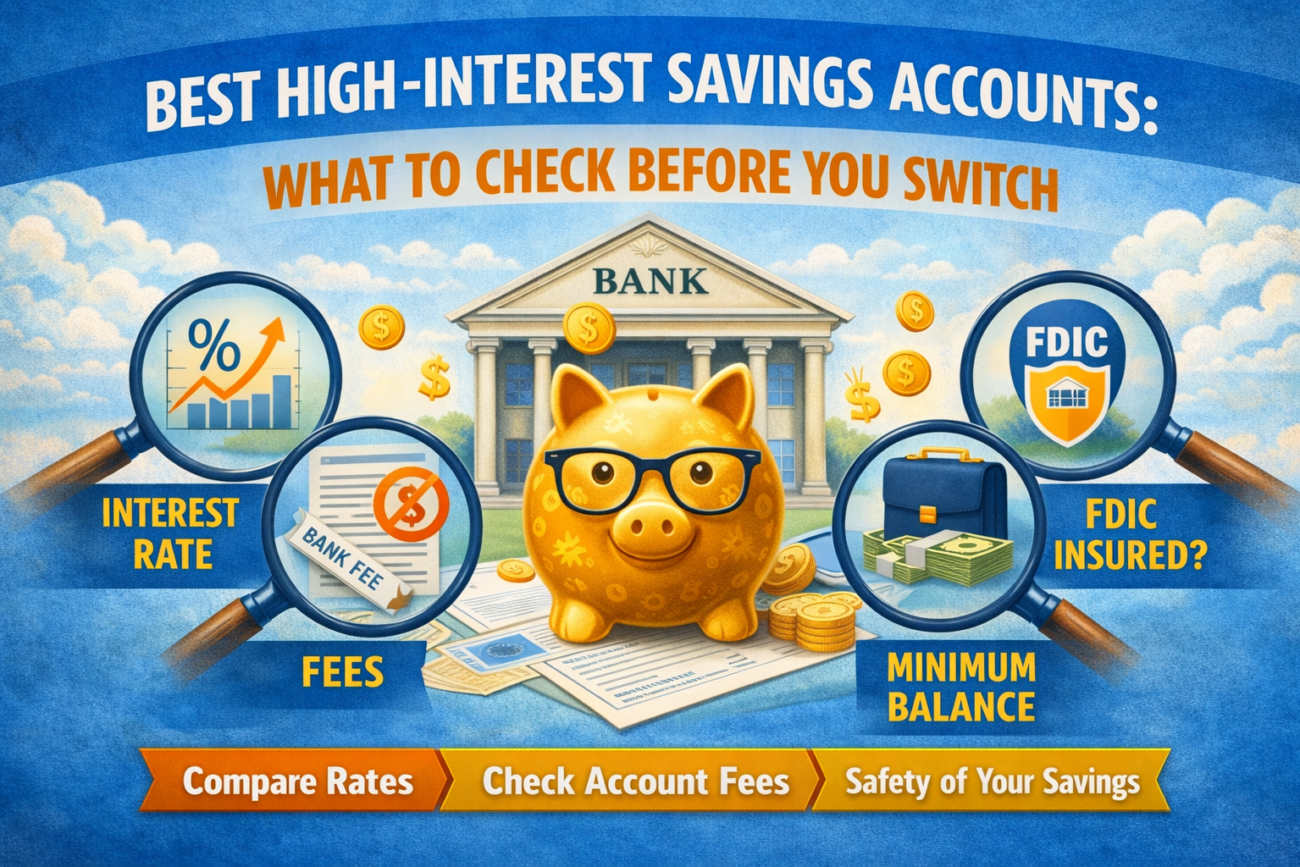
The Switching Checklist (Don’t Skip This)
1) The real savings interest rate (not just the headline)
- What is the rate after the intro period?
- Is the rate tiered? (Example: high rate up to a certain balance, lower rate after)
- Does the bank have a history of staying competitive, or do they drop rates quickly?
2) Fees that cancel out your “high interest”
Even a small monthly fee can wipe out your gains, especially if your balance is not huge.
Check:
- Monthly maintenance fees
- Transfer fees (incoming or outgoing)
- Account closure fees (some banks still have them)
- Paper statement fees (yes, they exist)
If you earn extra interest of 20 to 40 per month but pay 25 in fees, the math is not in your favor.
3) Minimum balance rules and rate conditions
Some banks offer a high-interest savings account only if you:
- keep a minimum balance
- deposit a certain amount monthly
- do not withdraw more than a set number of times
- link a checking account or salary transfer
If you break the rule, the rate may drop sharply. The best savings accounts are clear and fair about these conditions.
4) Withdrawal limits and penalties
Savings should be accessible, especially for an emergency fund.
Check:
- Monthly withdrawal limits
- Penalties for exceeding limits
- Whether “instant withdrawals” exist or take 1 to 3 business days
- Whether withdrawals reduce the interest rate for that month
If your money is too locked up, it stops being a savings account and starts behaving like a fixed deposit without the benefits.
5) Transfer speed and usability
Before you switch savings account, test how smooth it is to move money:
- How fast are transfers in and out?
- Are transfers free?
- Is there a daily transfer limit?
- Does the app show interest earned clearly?
- Are there outages or frequent login issues?
A high rate is great, but if you cannot access your money when you need it, it becomes stressful.
6) Safety and deposit protection
This is not optional. Confirm:
- Is the bank licensed and regulated in your country?
- Is your deposit protected under a national deposit insurance or guarantee scheme?
- What is the coverage limit?
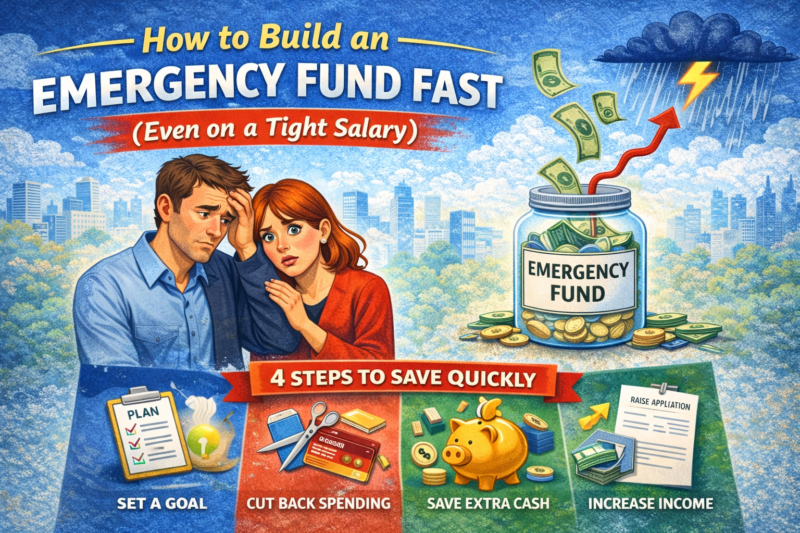
If you are unsure, keep your emergency fund in the safest option first, then chase extra yield with smaller amounts.
7) Customer service that actually solves issues
Look for:
- Support hours that match your schedule
- Clear dispute processes
- Easy contact options (chat, phone, email)
- Transparent fee explanations
A savings account should feel boring in a good way. You should not have to fight to get your own money.
A Quick Real-World Example
Let’s say Bank A offers 5% but requires a high minimum balance and charges a monthly fee if you fall below it. Bank B offers 4.5% with zero fees and easy transfers.
In many cases, Bank B can give you a better net return, because your interest is not being eaten by penalties, missed conditions, or fees. The best savings accounts are the ones you can keep without constantly managing rules.
How to Pick the Right Account for Your Goal
Different goals need different account features:
If it’s your emergency fund
Prioritize:
- fast access
- no penalties
- strong deposit protection
- stable ongoing rate
If it’s short-term saving (travel, car, school fees)
Prioritize:
- good rate with predictable rules
- free transfers
- the ability to create sub-savings buckets (if offered)
If it’s parking cash temporarily
Prioritize:
- top ongoing rate
- high balance limits
- simple transfers in and out
Final Takeaway
A high-interest savings account is a smart move only when the benefits are real after the fine print. Before you switch savings account, focus on the ongoing savings interest rate, fee structure, access to funds, and safety. The best savings accounts are not the loudest offers. They are the ones that stay rewarding, simple, and reliable long after the promotion ends.
If you want, tell me your country and whether this is for an emergency fund or long-term saving, and I’ll give you a sharper checklist tailored to that use case.