Your immune system is your body’s natural defense against illness, working around the clock to protect you from viruses, bacteria, and other harmful invaders. While no single food can magically prevent you from getting sick, a well-balanced diet rich in specific nutrients can significantly strengthen your immune response and help you stay healthier year-round.
Understanding the Immune-Nutrition Connection
Your immune system is incredibly complex, involving multiple organs, cells, and proteins that work together to identify and neutralize threats. This intricate system requires a steady supply of vitamins, minerals, antioxidants, and other nutrients to function optimally. When you’re deficient in key nutrients, your immune defenses can weaken, making you more susceptible to infections.
Citrus Fruits: Vitamin C Powerhouses
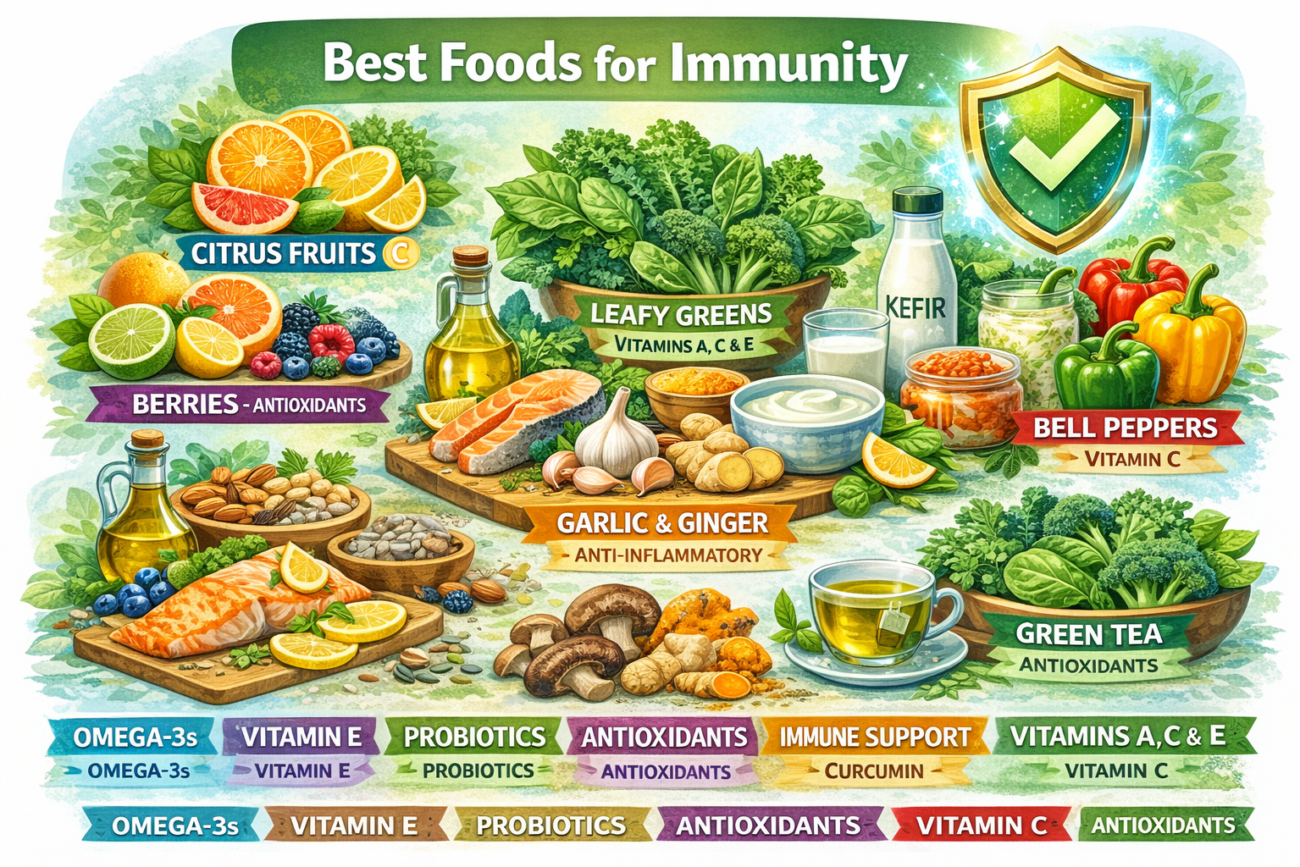
Oranges, grapefruits, lemons, limes, and tangerines are packed with vitamin C, which helps stimulate the production of white blood cells—the fighters of your immune system. Since your body doesn’t produce or store vitamin C, you need a daily intake from your diet. Just one medium orange provides about 70mg of vitamin C, meeting most of your daily requirement.
Berries: Antioxidant Champions
Blueberries, strawberries, raspberries, and blackberries contain powerful antioxidants called flavonoids that help reduce inflammation and support immune function. Elderberries in particular have been studied for their potential to reduce the duration and severity of cold and flu symptoms. These colorful fruits also provide fiber and vitamin C, making them a nutritional double threat.
Garlic: Nature’s Antibiotic
Garlic has been used medicinally for thousands of years, and modern research supports its immune-boosting reputation. It contains compounds like allicin that have antimicrobial and anti-inflammatory properties. Studies suggest that regular garlic consumption may help reduce the frequency and severity of common colds. Add fresh garlic to your cooking rather than relying on supplements for the most benefits.
Ginger: The Anti-Inflammatory Root
Ginger contains gingerol, a bioactive compound with potent anti-inflammatory and antioxidant effects. It may help decrease inflammation, which can support immune function, and has traditionally been used to soothe sore throats and reduce nausea. Fresh ginger tea or adding grated ginger to stir-fries and smoothies are easy ways to incorporate this root into your diet.
Leafy Greens: Nutrient Dense Defenders
Spinach, kale, Swiss chard, and other dark leafy greens are loaded with vitamins A, C, and E, along with antioxidants and beta-carotene. These nutrients work together to enhance the infection-fighting ability of your immune system. Vitamin A in particular plays a crucial role in maintaining the health of your skin and tissues in your digestive and respiratory systems—your first line of defense against pathogens.
Yogurt and Fermented Foods: Gut Health Heroes
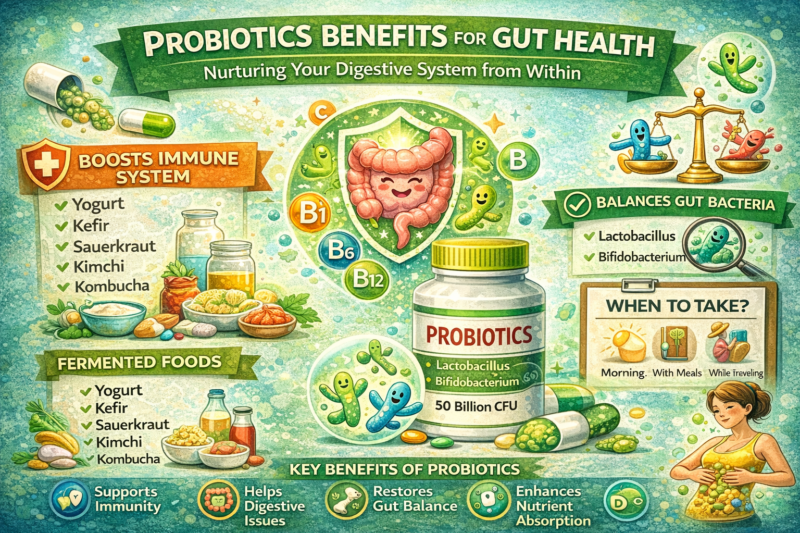
About 70% of your immune system resides in your gut, making digestive health crucial for immunity. Yogurt with live active cultures, kefir, sauerkraut, kimchi, and other fermented foods contain beneficial probiotics that support a healthy gut microbiome. Look for yogurt labeled with “live and active cultures” and choose varieties without added sugars.
Nuts and Seeds: Vitamin E Sources
Almonds, sunflower seeds, and hazelnuts are excellent sources of vitamin E, a fat-soluble antioxidant that’s essential for immune function. Just a small handful of almonds provides nearly half your daily vitamin E needs. These foods also contain healthy fats that help your body absorb fat-soluble vitamins more effectively.
Fatty Fish: Omega-3 Rich Options
Salmon, mackerel, sardines, and other fatty fish provide omega-3 fatty acids and vitamin D, both important for immune regulation. Vitamin D deficiency has been linked to increased susceptibility to infections, and many people don’t get enough, especially during winter months. Aim for two servings of fatty fish per week.
Turmeric: The Golden Spice
Curcumin, the active compound in turmeric, has powerful anti-inflammatory and antioxidant properties. While turmeric is commonly used in curry dishes, you can also add it to smoothies, golden milk, or roasted vegetables. Combining turmeric with black pepper significantly increases curcumin absorption.
Bell Peppers: Vitamin C Surprise
Red bell peppers actually contain nearly three times as much vitamin C as an orange, plus they’re rich in beta-carotene. They’re also incredibly versatile—eat them raw with hummus, roast them, or add them to salads and stir-fries.
Green Tea: Antioxidant Beverage
Green tea is rich in epigallocatechin gallate (EGCG), a powerful antioxidant that has been shown to enhance immune function. It also contains L-theanine, an amino acid that may aid in the production of germ-fighting compounds in your immune cells.
Mushrooms: Immune Modulators
Shiitake, maitake, and reishi mushrooms contain beta-glucans and other compounds that can help modulate immune function. Some research suggests they may enhance the activity of certain immune cells and have antimicrobial properties.
Building a Balanced Plate
Rather than focusing obsessively on individual “superfoods,” the most effective approach is eating a varied, colorful diet rich in whole foods. Different nutrients work synergistically, so diversity matters. Fill half your plate with fruits and vegetables of various colors, include lean proteins, choose whole grains, and don’t forget healthy fats.
Lifestyle Factors Matter Too
While nutrition is crucial, remember that immune health depends on more than just diet. Adequate sleep, regular physical activity, stress management, and good hygiene practices all play important roles in keeping your immune system strong.
The Bottom Line
Supporting your immune system through food isn’t about quick fixes or miracle cures. It’s about consistently nourishing your body with nutrient-dense whole foods that provide the vitamins, minerals, and compounds your immune system needs to function at its best. By making these immune-boosting foods regular parts of your meals, you’re giving your body the tools it needs to protect you effectively.