Inflammation has become one of the most discussed topics in health and wellness, and for good reason. While acute inflammation is your body’s natural and beneficial response to injury or infection, chronic low-grade inflammation is increasingly recognized as a underlying factor in many serious health conditions, from heart disease and diabetes to arthritis and even depression. The good news is that what you eat can significantly influence inflammation levels in your body. An anti-inflammatory diet isn’t a rigid meal plan but rather an approach to eating that emphasizes foods known to reduce inflammation while minimizing those that promote it.
Understanding Inflammation
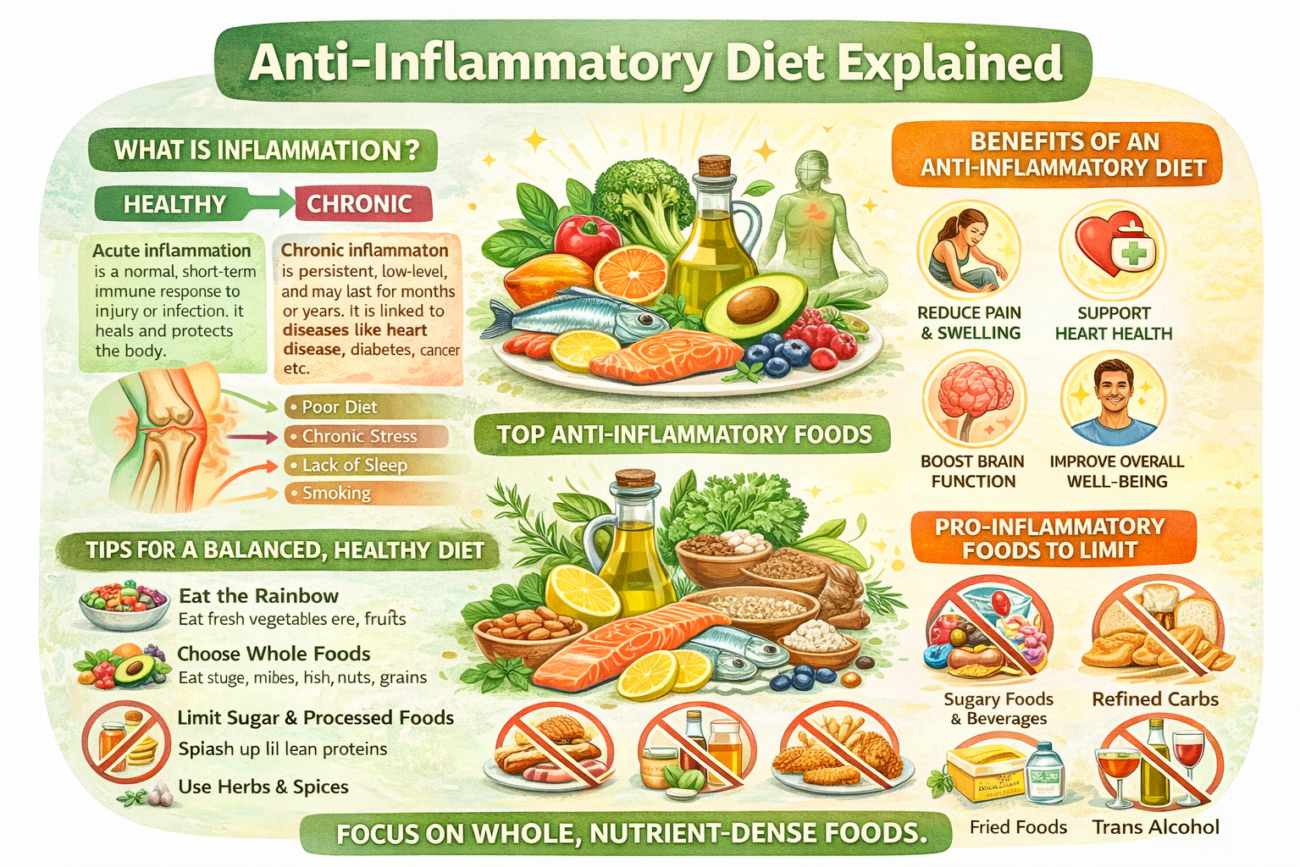
Inflammation is part of your immune system’s defense mechanism. When you cut your finger or catch a cold, acute inflammation brings immune cells, nutrients, and healing factors to the affected area, causing temporary redness, swelling, and warmth. This type of inflammation is essential for healing and typically resolves within days or weeks.
Chronic inflammation is different. It’s a persistent, low-level inflammatory state that can continue for months or years, often without obvious symptoms. This ongoing inflammation can damage healthy cells, tissues, and organs over time. Factors contributing to chronic inflammation include poor diet, lack of exercise, chronic stress, inadequate sleep, smoking, and excess body fat, particularly around the abdomen.
Research links chronic inflammation to numerous health conditions including cardiovascular disease, type 2 diabetes, certain cancers, Alzheimer’s disease, rheumatoid arthritis, inflammatory bowel disease, asthma, and depression. While genetics play a role in inflammation, lifestyle factors—especially diet—have a profound impact on inflammatory markers in your body.
Core Principles of an Anti-Inflammatory Diet
An anti-inflammatory diet emphasizes whole, minimally processed foods rich in antioxidants, polyphenols, omega-3 fatty acids, and fiber while limiting processed foods, refined sugars, and unhealthy fats. It’s not about following strict rules but rather making consistent choices that support your body’s natural anti-inflammatory processes.
The foundation resembles traditional Mediterranean and Asian eating patterns, which have been associated with lower rates of chronic inflammatory diseases. These diets prioritize plants, healthy fats, lean proteins, and herbs and spices while treating processed foods and red meat as occasional rather than daily staples.
Anti-Inflammatory Foods to Embrace
Fatty Fish: Salmon, mackerel, sardines, anchovies, and herring are among the best sources of omega-3 fatty acids EPA and DHA, which have powerful anti-inflammatory effects. Studies show omega-3s can reduce inflammatory markers like C-reactive protein and interleukin-6. Aim for at least two servings of fatty fish per week. If you don’t eat fish, consider algae-based omega-3 supplements.
Berries: Blueberries, strawberries, raspberries, and blackberries contain anthocyanins, powerful antioxidants that reduce inflammation and may lower the risk of disease. Research shows that people who consume berries regularly have lower levels of inflammatory markers. Berries also provide fiber and vitamin C, both beneficial for reducing inflammation.
Leafy Greens: Spinach, kale, collard greens, and Swiss chard are packed with antioxidants, vitamins, and minerals that combat inflammation. They contain vitamin K, which helps regulate inflammatory responses, and various carotenoids that have anti-inflammatory properties. Aim for at least one serving of leafy greens daily.
Extra Virgin Olive Oil: This cornerstone of the Mediterranean diet contains oleocanthal, a compound with anti-inflammatory effects similar to ibuprofen. Extra virgin olive oil also provides healthy monounsaturated fats and antioxidants. Use it as your primary cooking oil and for salad dressings, choosing high-quality, cold-pressed varieties for maximum benefits.
Nuts and Seeds: Almonds, walnuts, chia seeds, and flaxseeds provide healthy fats, fiber, protein, and anti-inflammatory compounds. Walnuts are particularly rich in omega-3 fatty acids. A handful of mixed nuts daily can reduce inflammatory markers and support heart health. Just watch portions, as nuts are calorie-dense.
Tomatoes: Rich in lycopene, a powerful antioxidant with anti-inflammatory properties, tomatoes have been shown to reduce inflammatory markers, especially when cooked. Cooking tomatoes actually increases lycopene availability. They also provide vitamin C and potassium.
Turmeric: This golden spice contains curcumin, one of the most powerful anti-inflammatory compounds found in food. Curcumin has been extensively studied for its ability to reduce inflammation in conditions from arthritis to inflammatory bowel disease. Combine turmeric with black pepper to enhance absorption by up to 2000%. Add it to curries, smoothies, soups, or golden milk.
Ginger: This root contains gingerol, a bioactive substance with strong anti-inflammatory and antioxidant effects. Studies suggest ginger can reduce muscle pain, lower blood sugar levels, and decrease inflammatory markers. Use fresh ginger in cooking, smoothies, or steeped as tea.
Green Tea: Rich in epigallocatechin gallate (EGCG), green tea has potent antioxidant and anti-inflammatory properties. Regular consumption is associated with reduced inflammation and lower risk of heart disease, cancer, and neurodegenerative diseases. Aim for 2-3 cups daily for maximum benefit.
Cruciferous Vegetables: Broccoli, cauliflower, Brussels sprouts, and cabbage contain sulforaphane, an antioxidant that reduces inflammation by lowering levels of inflammatory molecules. These vegetables also provide fiber and various vitamins and minerals that support overall health.
Dark Chocolate: High-quality dark chocolate (70% cocoa or higher) contains flavonols that have anti-inflammatory effects. Studies show that eating dark chocolate can reduce inflammatory markers and improve heart health. Stick to small portions—an ounce or two—and choose varieties with minimal added sugar.
Avocados: These nutrient-dense fruits provide healthy monounsaturated fats, fiber, potassium, and magnesium. They contain carotenoids and tocopherols, which are linked to reduced cancer risk and lower inflammation. The healthy fats in avocados also help your body absorb nutrients from other vegetables.
Whole Grains: Oats, brown rice, quinoa, and whole wheat provide fiber that feeds beneficial gut bacteria, which in turn produce anti-inflammatory compounds. Fiber also helps regulate blood sugar and reduce inflammatory markers. Choose whole grains over refined grains whenever possible.
Beans and Legumes: Lentils, chickpeas, black beans, and other legumes are excellent sources of fiber and plant-based protein. They contain antioxidants and anti-inflammatory compounds while helping to regulate blood sugar levels and support healthy gut bacteria.
Pro-Inflammatory Foods to Limit
Refined Carbohydrates: White bread, pastries, white rice, and sugary cereals cause rapid blood sugar spikes that trigger inflammatory responses. These foods lack fiber and nutrients while promoting inflammation and weight gain.
Sugary Foods and Beverages: Excessive sugar consumption increases inflammatory markers and is linked to obesity, diabetes, and heart disease. This includes sodas, candy, baked goods, and even seemingly healthy items like sweetened yogurt and granola bars.
Processed Meats: Bacon, sausages, hot dogs, and deli meats contain advanced glycation end products (AGEs) and other compounds that promote inflammation. They’re also linked to increased cancer risk.
Trans Fats: Found in some margarines, fried foods, and processed baked goods, trans fats increase inflammation and are strongly linked to heart disease. Check labels for “partially hydrogenated oils” and avoid these products.
Excessive Alcohol: While moderate consumption of certain alcoholic beverages (particularly red wine) may have anti-inflammatory effects, excessive drinking promotes inflammation throughout the body and damages the gut lining.
Vegetable and Seed Oils High in Omega-6: While some omega-6 fatty acids are essential, the typical Western diet contains far too much relative to omega-3s. Excessive omega-6 from oils like corn, soybean, and sunflower oil can promote inflammation when not balanced with omega-3s.
Practical Tips for Following an Anti-Inflammatory Diet
Start by filling half your plate with colorful vegetables and fruits at each meal. Choose a variety of colors to ensure you’re getting diverse antioxidants and phytonutrients. Include a source of healthy fat with each meal—olive oil, avocado, nuts, or fatty fish.
Make herbs and spices staples in your cooking. Not only do they add flavor without calories, but many have significant anti-inflammatory properties. Beyond turmeric and ginger, experiment with garlic, cinnamon, rosemary, oregano, and cayenne pepper.
Gradually replace refined grains with whole grains. Swap white rice for brown rice or quinoa, choose whole wheat bread over white, and try steel-cut oats instead of instant oatmeal.
Plan meals around plant-based proteins several times per week. Beans, lentils, and tofu are excellent anti-inflammatory protein sources that also provide fiber.
Stay hydrated with water, herbal teas, and green tea rather than sugary beverages. Proper hydration supports your body’s natural detoxification processes and helps reduce inflammation.
Read ingredient labels carefully. Avoid products with long lists of unrecognizable ingredients, added sugars, or trans fats.
Beyond Diet: Lifestyle Factors
While diet is crucial, other lifestyle factors also significantly impact inflammation. Regular physical activity has powerful anti-inflammatory effects. Aim for at least 150 minutes of moderate exercise weekly, including both aerobic activity and strength training.
Prioritize sleep—chronic sleep deprivation increases inflammatory markers throughout the body. Aim for seven to nine hours of quality sleep nightly and maintain consistent sleep and wake times.
Manage stress through meditation, yoga, deep breathing, time in nature, or activities you enjoy. Chronic stress elevates cortisol and promotes systemic inflammation.
Maintain a healthy weight. Excess body fat, particularly visceral fat around organs, produces inflammatory compounds. An anti-inflammatory diet often naturally supports weight loss.
Expected Benefits and Timeline
Most people notice improved energy levels and reduced bloating within the first week or two of following an anti-inflammatory diet. Joint pain and stiffness may begin improving within a few weeks to months. Significant reductions in inflammatory blood markers typically occur within three to six months of consistent dietary changes.
Beyond inflammation reduction, many people experience better digestion, improved mood, clearer skin, better sleep quality, and more stable energy throughout the day.
The Bottom Line
An anti-inflammatory diet isn’t a temporary fix or fad—it’s a sustainable approach to eating that supports long-term health. By emphasizing whole, minimally processed foods rich in nutrients and antioxidants while limiting inflammatory triggers, you can significantly reduce chronic inflammation and lower your risk of numerous diseases.
The beauty of this approach is its flexibility. There’s no need for perfection or strict meal plans. Focus on making more anti-inflammatory choices more often, and allow yourself occasional indulgences without guilt. Small, consistent changes accumulate over time, creating lasting improvements in how you feel and your long-term health trajectory. Your body has remarkable healing capacity when provided with the right nutritional tools, and an anti-inflammatory diet offers precisely that foundation.